Rimless Toilets Explained: Everything You Need to Know About Them
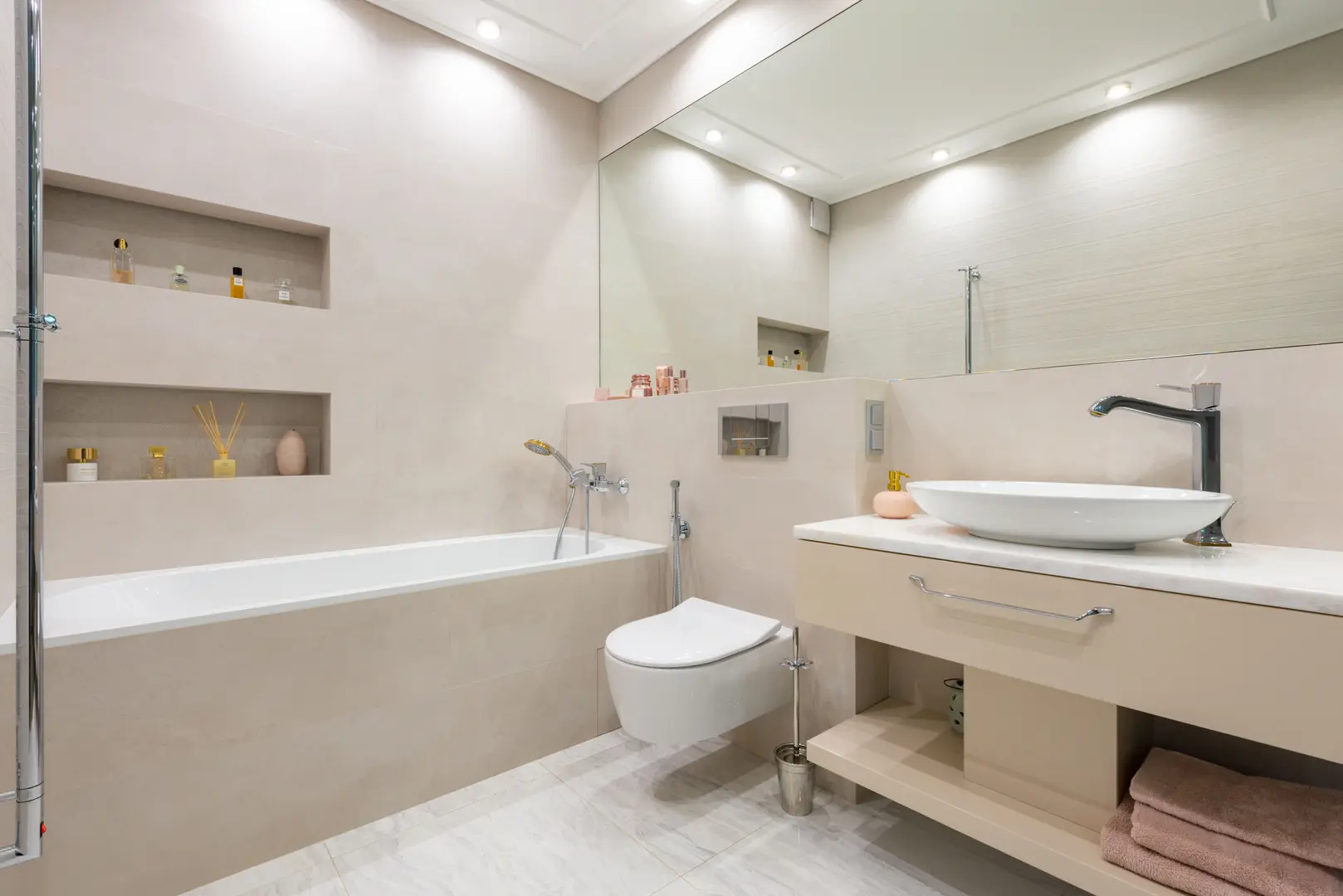
If you are searching for “what is a rimless toilet? Everything you need to know”, the basic answer is simple: it is a toilet without the enclosed inner rim found around the top of a traditional toilet bowl. Instead, it uses a specially designed flushing system to direct water around the exposed bowl.
This streamlined design can make the toilet easier to inspect and clean while supporting a more hygienic bathroom. However, flushing performance, splash control, installation requirements, and plumbing compatibility should all be considered before choosing one.
Understanding the Rimless Toilet Design
A traditional toilet bowl usually has an overhanging rim around its upper interior. During flushing, water travels beneath this rim and enters the bowl through concealed openings. Although this design distributes water around the bowl, the underside of the rim can be difficult to see and reach while cleaning.
A rimless toilet removes this enclosed overhang. When you look into the bowl, there is no hidden channel running around the upper edge. More of the bowl’s interior is visible and accessible.
Removing the rim changes the way flushing water must be delivered. Rimless toilets use a special system that guides water around the bowl rather than releasing it through a concealed rim. The exact flow pattern differs between designs, but the objective is generally the same: distribute water effectively across the bowl while keeping it contained during the flush.
The main elements of the design are:
- An open bowl interior: There is no traditional rim covering the upper flushing channel.
- Directed water flow: The flushing system controls how water moves around and down the bowl.
- Better cleaning access: Areas that would normally sit beneath a rim are exposed.
- A streamlined appearance: The open bowl contributes to a cleaner, more modern visual style.
“Rimless” does not mean that the toilet has no upper edge at all. The term refers to the absence of the conventional enclosed inner rim. The bowl still has a finished top edge and is designed to keep flushing water within it when the toilet is correctly selected and installed.
Rimless vs Traditional Toilets: Key Differences
The central difference between traditional and rimless toilets is how they distribute flushing water. This affects cleaning access, day-to-day maintenance, hygiene, and appearance.
| Feature | Traditional toilet | Rimless toilet |
|---|---|---|
| Bowl design | Has an enclosed inner rim | Has no traditional enclosed rim |
| Water distribution | Water passes beneath the rim and through concealed outlets | Water is directed around the exposed bowl |
| Cleaning access | The underside of the rim can be difficult to reach | More of the bowl is visible and accessible |
| Hidden areas | Includes concealed crevices beneath the rim | Has fewer hidden spaces around the upper bowl |
| Appearance | Conventional bowl profile | Streamlined, contemporary profile |
With a traditional toilet, cleaning beneath the rim often requires an angled brush and extra attention. Because the area is partly hidden, it can also be difficult to confirm visually that the entire surface has been cleaned.
A rimless toilet gives you a clearer view of the bowl. You can usually wipe or brush the exposed upper interior directly instead of trying to reach underneath an overhang. This is why rimless toilets are commonly described as easier to clean.
The accessibility of the bowl can also support improved hygiene. Hidden spaces may be overlooked during routine cleaning, whereas an open surface is easier to inspect and maintain. A rimless design does not eliminate the need for regular cleaning, but it simplifies access to areas that are often inconvenient on a traditional model.
Flushing performance should still be assessed model by model. The word “rimless” describes the bowl construction, but individual toilets may direct water differently. A well-designed system should spread water effectively while limiting unwanted splashing. When comparing models, consider the overall bowl and flushing design rather than relying on the rimless label alone.
The Best Way to Clean a Rimless Toilet
Cleaning a rimless toilet is generally straightforward because there are fewer hidden crevices around the top of the bowl. You can see the surfaces that need attention and reach them more easily with a cloth or toilet brush.
A simple cleaning process is usually sufficient:
- Flush the toilet first. This clears the bowl and wets its interior surface.
- Apply a suitable toilet cleaner. Follow the cleaner manufacturer’s directions and use only products appropriate for the toilet’s surface.
- Clean the exposed upper bowl. Wipe or brush around the area where a traditional rim would normally be located.
- Brush the rest of the bowl. Pay attention to the sides, waterline, and lower bowl.
- Flush again. Rinse away the cleaner and loosened residue.
- Wipe the exterior. Clean the seat, lid, flush control, bowl exterior, and surrounding surfaces with an appropriate product.
- Inspect the bowl. Because the interior is visible, you can quickly identify any area that needs another pass.
Regular light cleaning can be more practical than waiting for visible buildup. The open design makes a quick wipe around the upper bowl easier, so this area can be included in ordinary bathroom cleaning rather than treated as a difficult separate task.
A rimless toilet may also reduce reliance on harsh cleaning chemicals. Because the bowl has fewer concealed areas, physical access with a brush or cloth is often easier. However, this does not mean that cleaning products are never needed. Product choice should depend on the toilet material, household preferences, and the type of residue being removed.
Avoid assuming that a stronger chemical automatically produces a better result. Use cleaning products as directed, do not mix different cleaners, and check the toilet manufacturer’s care instructions. Suitable tools and consistent cleaning are often more important than aggressive treatment.
The seat and exterior require the same attention as they would on any toilet. Rimless construction improves access inside the bowl, but frequently touched areas such as the flush button, lid, and seat should still be cleaned routinely.
Why Choose a Rimless Toilet Over a Traditional Model?
The strongest reason to choose a rimless toilet is easier access for cleaning. Without a concealed rim, there are fewer places around the upper bowl where residue can remain unnoticed. This can make routine maintenance quicker and help users feel more confident that the visible surface has been cleaned.
The main potential advantages include:
- Improved cleaning access: The exposed bowl is easier to reach with a cloth or brush.
- Fewer hidden crevices: There is no conventional enclosed rim to clean underneath.
- Support for better hygiene: Easier access can encourage more thorough and consistent cleaning.
- Purpose-designed flushing: Water is directed around the bowl without relying on a traditional rim channel.
- Modern appearance: The simplified bowl design suits many contemporary bathrooms.
- Potentially less dependence on strong cleaners: Accessible surfaces may be cleaned effectively with a simpler routine.
Rimless toilets can be particularly appealing in bathrooms where easy maintenance is a priority. They may also suit homeowners who prefer uncluttered fixtures and a more streamlined bathroom design.
These advantages do not make every rimless toilet automatically better than every traditional toilet. Overall quality, flushing design, compatibility, installation, and personal preferences remain important. A conventional model may still be suitable for a particular home, while a carefully selected rimless model can offer meaningful practical benefits elsewhere.
It is also worth distinguishing hygiene support from self-cleaning. A rimless toilet still requires routine care. Its advantage is that it makes more of the bowl visible and reachable, not that it removes the need to clean.
Can Rimless Toilets Splash During Flushing?
Splashing is one of the most common concerns raised by people considering a rimless toilet. Because the design does not have a traditional rim concealing the flushing outlets, some buyers worry that water will travel over the edge of the bowl.
Modern rimless toilets are designed to direct water around the bowl while keeping the flow contained. A properly designed and correctly installed model should manage the direction of the flush and minimize splashing. The open design alone does not mean that water will automatically escape.
However, flushing systems are not identical. Water movement depends on the relationship between the bowl shape, the method of water distribution, and the installation. A design that does not manage the flow appropriately may be more prone to unwanted splashing than one engineered to control it carefully.
Correct installation is especially important. The toilet and its flushing components need to be fitted according to the manufacturer’s requirements. Improvised changes or an unsuitable setup may affect how water enters and moves around the bowl.
Before purchasing, look beyond appearance and confirm that the toilet is intended to provide controlled water distribution. If possible, review the manufacturer’s installation information and ask the supplier how the design manages the flush. This addresses the practical concern directly instead of assuming that all rimless models behave in the same way.
How to Prevent Splashing in a Rimless Toilet
Splash prevention begins with model selection and continues through installation. The following steps can help reduce the likelihood of water escaping during a flush:
- Choose a purpose-designed flushing system. Look for a rimless model that specifically directs water around the bowl in a controlled pattern.
- Use compatible components. The bowl, cistern, valves, and other flushing parts should be suitable for use together.
- Follow installation instructions. Manufacturer guidance should determine how the toilet and its flushing system are fitted.
- Check plumbing compatibility. The existing water supply and waste connection should match the toilet’s requirements.
- Use a qualified installer when needed. Professional installation can help ensure that the fixture is level, secure, and correctly connected.
- Do not make unsupported adjustments. Changes to flushing components should only be made where the manufacturer permits them.
- Investigate persistent splashing. If water regularly reaches or crosses the bowl edge, ask the installer or supplier to check the setup rather than treating it as normal.
Occasional movement of water within the bowl is part of flushing. The concern is uncontrolled flow that repeatedly reaches outside the fixture. In that situation, the design, component compatibility, or installation may need to be reviewed.
Are Rimless Toilets a Good Fit for Every Home?
Rimless toilets can work in many types of homes because they are available in multiple configurations. Depending on the bathroom design, options may include models with different installation styles and cistern arrangements. This flexibility allows rimless technology to be considered for both renovations and new bathrooms.
Even so, not every toilet is compatible with every existing bathroom. Before buying, check:
- The position and type of the waste connection
- The available water supply arrangement
- The location and format of the cistern
- The space available for the toilet
- The requirements for wall or floor installation
- Access for installation and future maintenance
- Compatibility between the bowl and flushing components
These checks are particularly important when replacing an existing traditional toilet. A new fixture may look suitable based on its external dimensions but still require a different plumbing arrangement. Confirming compatibility before purchase can prevent avoidable installation complications.
Bathroom size and layout also matter. The absence of a rim affects the bowl interior rather than automatically making the entire toilet smaller. Always evaluate the full fixture dimensions and the clearance needed around it.
For many households, a rimless toilet is a practical choice when easier cleaning, accessible surfaces, efficient water distribution, and contemporary styling are priorities. The best results come from choosing a well-designed model that suits the existing plumbing and having it installed according to the manufacturer’s instructions. When those conditions are met, a rimless toilet can provide a convenient, hygienic, and visually streamlined alternative to a traditional design.