What Is a Steam Shower? Design Pros Explain Why It’s Worth It
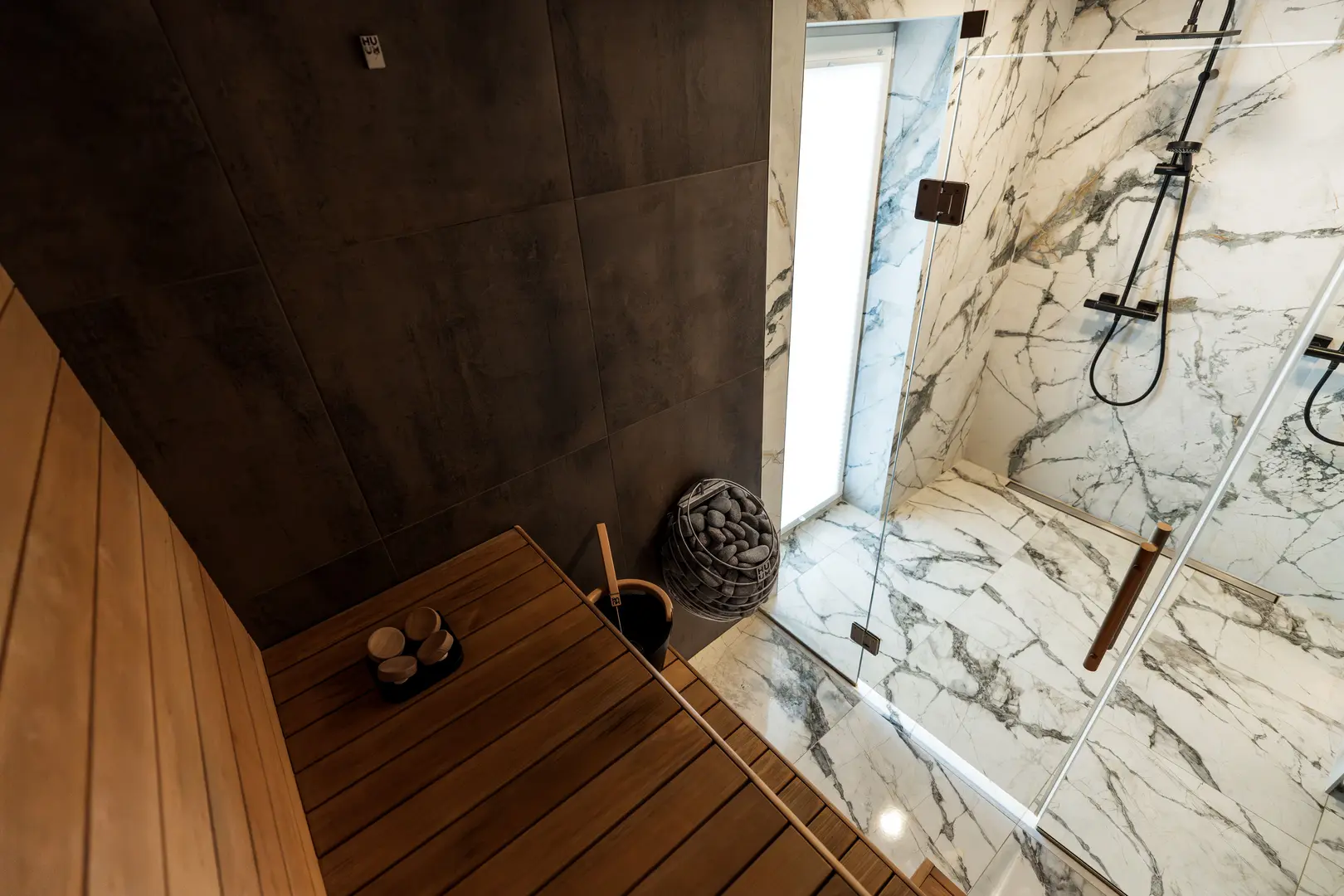
If you’ve ever stood in a warm, misty bathroom and felt your shoulders start to drop, you already have a sense of what a steam shower can offer. A steam shower is essentially a fully enclosed shower that produces moist heat inside the space, turning an everyday routine into a spa-like experience. Designers often describe it as one of the more luxurious upgrades you can make to a bathroom, but it’s also a functional investment. To understand whether it’s worth it, it helps to look at how steam showers work, what they cost, how they’re installed, and what design choices make them perform best.
Steam Shower Basics: How It Works and What It Offers
A steam shower starts with a steam generator, usually installed away from the shower enclosure. The generator heats water until it turns into vapor. That vapor then moves through a supply line and exits through a wall-mounted steamhead inside the shower. The result is a sealed space filled with gentle, penetrating warmth.
People often mention relaxation and muscle recovery as the biggest benefits. The warm steam can help soothe tired muscles, loosen tight joints, and create a calming environment after a long day. Because the steam fills the enclosure, it surrounds the whole body rather than just landing on your back like a standard showerhead. That full-body warmth is one reason steam showers are often compared to personal saunas.
Steam units can also include options that go beyond the basics. Many systems offer aromatherapy, where a small cartridge or dispenser releases essential oils into the steam. Others include music controls, built-in lighting, or digital panels that let you set the temperature and session time. These upgrades are not essential, but they can make the experience feel even more customized.
It’s also worth noting that a steam shower is different from a regular shower with a handheld wand. The point is not just to get clean, but to spend time in a warm, enclosed environment. That usually means you need a bench or a place to sit, and the shower needs to be sealed well enough to keep the vapor inside. When designed correctly, a steam shower can be a daily retreat.
Steam Shower Cost: What You Can Expect to Pay
The cost of a steam shower depends on the size of the shower, the quality of the generator, and the finish materials you choose. Most installations fall between $2,000 and $7,000. Upscale options can push the cost near $10,000, especially if you add premium tile, custom glass, multiple steamheads, or advanced controls. Entry-level setups can be under $2,000 if you keep the space compact and choose a basic generator.
One way to think about the price is to compare it with what you would spend on regular spa visits or gym memberships. A few sessions at a spa each month can add up quickly. Over a few years, a steam shower can pay for itself in convenience alone. It also adds a wellness feature to your home that you can use every day without booking an appointment or leaving the house.
If the cost feels high, a smaller generator can lower the price for a compact shower. A small enclosure requires less steam output, so you can choose a less powerful and less expensive unit. The tradeoff is heat-up time: a larger shower or a powerful steamhead will fill the space faster, but it may cost more to operate. Matching the generator size to the actual shower volume is one of the most important decisions in the entire process.
Steam Shower Installation: Key Planning and Requirements
Steam shower installation is not a DIY project. It involves plumbing, electrical wiring, ventilation, and a carefully sealed enclosure. Designers recommend planning a steam shower during the initial bathroom renovation rather than trying to retrofit it later. That way, you can position the generator, run the supply line, and build the shower pan correctly from the start.
The generator should be sized for the shower’s volume and the desired heat-up time. A unit that is too small will struggle to produce enough steam, while an oversized unit may cycle on and off too quickly. The generator also needs to be placed in an accessible nook where it can be serviced, with a nearby outlet and room for the supply line. If the generator is buried behind a wall or under a floor, repairs become expensive.
The shower space itself needs specific design details. Keep the ceiling at 7 to 8 feet. Higher ceilings create a larger volume of air, which means the steam has to work harder to fill the room. Place the steam outlet low on the wall so the vapor rises and fills the space evenly. Use wet-rated ceiling lights and include ventilation to prevent mildew. A steam shower is full of moisture, and without proper airflow, mold can become a serious problem.
Shower Pan Problems and Hidden Leaks
One of the most common trouble spots in any shower is the pan. Shower pans can develop leaks and cause water damage, especially if they were not installed correctly. In a steam shower, the pan has to contain both normal water flow and the condensation that forms when steam settles on surfaces.
Hidden leaks are particularly frustrating. In an enclosed shower, a leak can be difficult to locate even after replacing the trim. There may be no visible water downstairs, but moisture can still be accumulating inside the wall or under the floor. Some homeowners have experienced this exact situation: an unexplained leak that remains hidden despite swapping out the fixtures. If the trim is replaced without finding the actual source, the issue can remain undiagnosed for years.
The lesson is to deal with leaks before you invest in a steam shower. If a shower pan is already causing problems, fix it properly. Using unqualified labor or attempting an ambitious DIY repair can create new leaks and lead to more significant plumbing issues. Also, if you are doing any repair work, turn off the water supply before you start. Failing to do so can cause immediate flooding and extensive damage.
Early Plumbing Warning Signs
Before installing a steam shower, it’s a good idea to pay attention to the rest of the bathroom’s plumbing. Persistent sewage smells can indicate unvented plumbing or drainage issues. Slow drains, gurgling sounds, persistent clogs, and strange smells are early warning signs that should not be ignored. These small problems can turn into major issues if they are overlooked.
Chemical drain cleaners are a common quick fix, but they often do not solve the underlying problem. They can also damage older pipes or leave behind residue that makes future clogs worse. If the plumbing is already struggling, a steam shower will only add more moisture and wear to the system. Addressing warning signs early is cheaper and less disruptive than dealing with a complete plumbing failure later.
Shower Flow-Rate Limits to Know
If you are planning a new shower, it helps to know the flow-rate limits in your area. Many people ask what maximum flow rate is allowed for a shower head, and separately, what maximum flow rate is allowed for a shower in gallons per minute. One commonly cited code section says that shower flow should not exceed 2.0 gpm.
This limit applies to the total flow from all showerheads and outlets in the shower, not just one fixture. If you want a handheld showerhead in addition to a fixed rain head, the combined flow needs to stay within that limit. Keeping the flow rate in mind helps you choose fixtures that meet code requirements while still providing a strong spray. It also helps with energy efficiency, since a steam shower already uses energy to heat water and produce vapor.
Steam Shower Design: Materials and Layout Choices
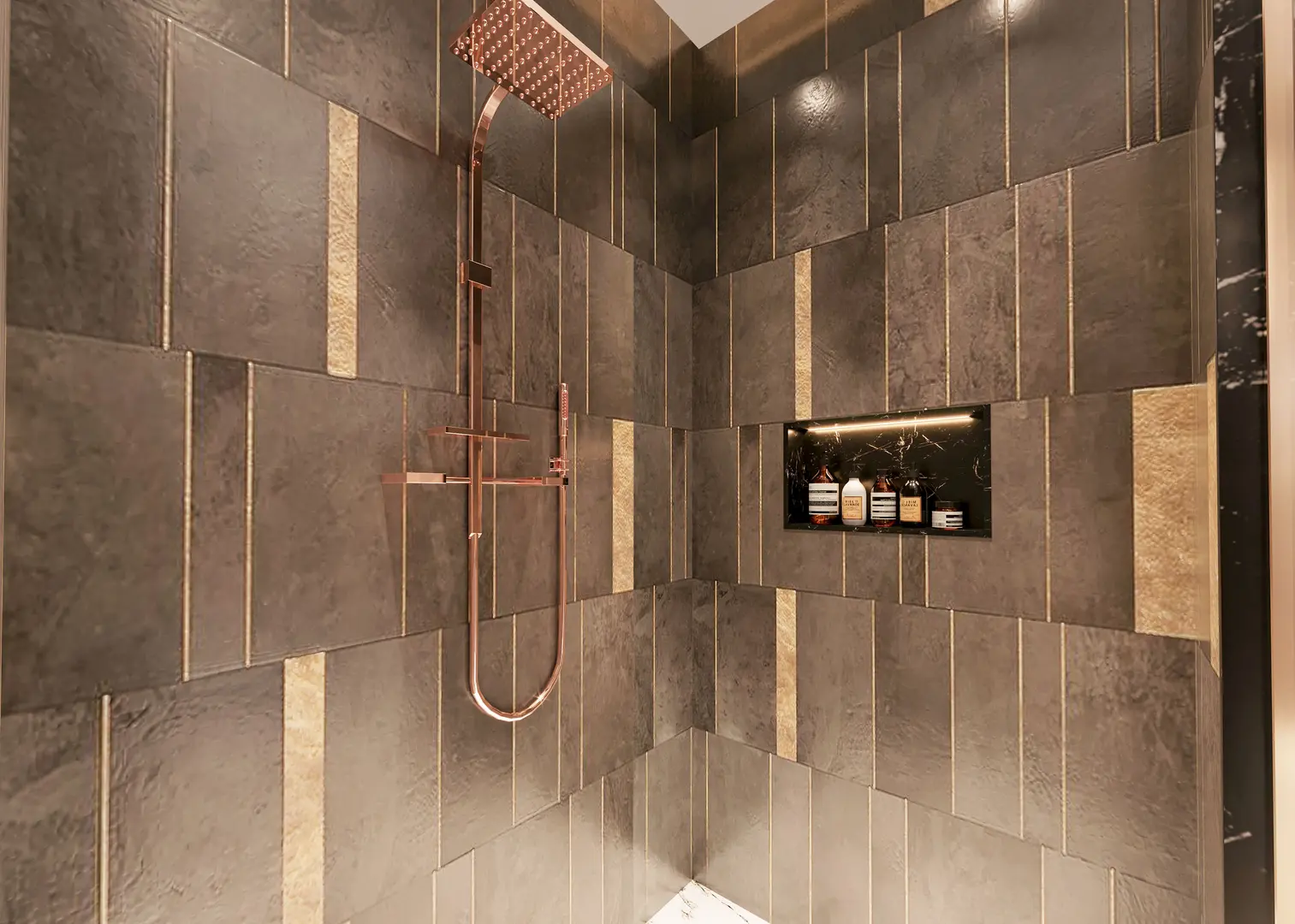
The materials you choose inside a steam shower matter as much as the equipment. Nonporous finishes perform best because they do not absorb moisture. Porcelain and ceramic tile hold heat better than natural stone, making the shower feel warmer and more efficient. Natural stone may look luxurious, but it can stay cool and require more maintenance in a steam environment.
Grout lines also play a role. Narrow grout lines are easier to seal and keep clean, while wide grout lines can trap moisture and become discolored over time. Mosaic flooring is a popular choice because the many small tiles create good slip resistance and the tighter spacing helps with sealing. The floor should feel safe underfoot, especially when wet condensation is present.
Wood is generally not recommended throughout a steam shower. Moisture and wood are a difficult combination, and constant exposure to steam can cause warping and rot. Teak is acceptable for benches, however, because it is naturally resistant to moisture and handles wet conditions well. A teak bench adds warmth and a spa-like feel without the risk of using wood for the walls or ceiling.
The layout should also contain the steam effectively. Compact doors or full-height walls help trap the vapor inside the shower. If you use a standard shower door with a large gap at the top, steam will escape into the bathroom instead of collecting around you. A properly enclosed space keeps the humidity where it belongs and makes the steam shower experience much more enjoyable.
A steam shower is more than a shower. It is a combination of planning, materials, and equipment that creates a private wellness space in your home. From the initial cost to the installation details and design choices, every decision affects how well it works. If you are already planning a bathroom renovation, a steam shower is worth serious consideration. Done right, it can provide years of relaxation, convenience, and value.