What Is a Table Shower? The At-Home Spa Experience
A table shower combines flowing water and massage, taking place on a waterproof table in a wet-room environment. Warm water helps the body relax, while massage techniques address tense muscles. Previously found mainly in wellness centers, table showers can now be incorporated into home spas. Proper planning involves using waterproof surfaces, reliable drainage, ventilation, safe fixtures, and thoughtful lighting.
Understanding the Table Shower Experience
What is a table shower? It is a spa treatment where a person lies on a waterproof table with warm water flowing over the body, often combined with massage techniques. A handheld or adaptable overhead shower system directs the water flow during the session.
The treatment blends massage with hydrotherapy—using water for therapeutic purposes. Warm water creates a soothing environment that helps relax muscles, making massage more effective. Water pressure adds a sensory layer absent in conventional massage, enhancing the overall experience by immersing the individual in a tranquil environment.
A typical session involves:
- Adjusting room and water temperature to personal preference.
- Flowing warm water over different parts of the body.
- Coordinating massage techniques with water flow for maximum benefit.
- Rinsing away massage products as needed.
- Providing a brief rest period before standing to ensure full relaxation.
Sequences can be customized. Some may prefer constant water flow, while others enjoy alternating between massage and short rinses. Comfort, communication, and safety should guide the treatment to create a personalized and effective session.
Though table showers aid relaxation and well-being, they aren’t substitutes for medical care. Those with health concerns should consult a healthcare professional to ensure safety and appropriateness of the treatment.
Essential Features of a Table Shower Setup
A table shower requires equipment for continuous water exposure. A waterproof table with stable construction and nonabsorbent surfaces is essential to withstand repeated exposure to water and massage oils.
The shower system should flexibly direct water without awkward reaching. A handheld shower head is practical for moving the spray around the body, providing targeted areas of warmth. Secure controls ensure easy temperature and pressure adjustments during sessions, allowing the therapist to maintain the desired comfort level.
Essential features include:
- A stable, waterproof massage table constructed from materials resistant to water and products.
- An adaptable shower system with a handheld component for targeted approaches.
- Adjustable water temperature and pressure for tailored sessions.
- Slip-resistant flooring nearby to prevent accidents.
- Effective drainage capable of handling continuous water flow.
- Waterproof walls and floors to protect against moisture damage.
- Adequate ventilation to manage humidity and ensure comfort.
- Towels and supplies stored away from the splash zone to keep them dry and accessible.
Table height and fixture placement are crucial for ease of use without excessive leaning or dragging hoses, ensuring that both the practitioner and receiver are comfortable.
The Main Therapeutic Benefits of Combining Water and Massage
Massage and hydrotherapy complement each other, with massage applying physical pressure and warm water creating a calming setting. Together, they provide a whole-body experience involving touch, temperature, sound, and water flow.
Warm water is especially useful at the beginning, helping tense muscles relax. The multisensory aspect masks distractions, while warmth and rhythmic touch enhance focus on the present moment, allowing the mind to let go of stressors.
More pressure isn’t always better; comfort is key. Treatment should coordinate touch, temperature, and pressure gently to enhance the experience without discomfort.
Supporting Circulation, Oxygen Flow, and Detoxification
Table showers may stimulate circulation, with warmth encouraging blood flow and massage aiding fluid movement. Healthy circulation distributes oxygen, nutrients, and metabolic by-products throughout the body, supporting normal waste removal processes. This coordinated effect is essential for optimizing bodily performance.
However, table showers don’t “flush toxins”—detoxification is primarily a function of organs like the liver and kidneys. The treatment may:
- Encourage temporary local circulation, enhancing nutrient delivery.
- Promote movement after muscle relaxation, fostering improved mobility.
- Support lymphatic flow that is gentle yet efficient.
- Provide a general sense of relaxation, releasing physical tension.
- Help the body settle after strain for effective recovery and calm.
Professional advice is recommended for those with swelling, circulatory issues, or other health concerns to ensure that the treatment serves their needs safely.
How the Treatment May Calm the Nervous System
Quietness, warm water, and slow massage help the body shift from a heightened alert state. The focus is on steady sensations and breathing, which may reduce stress and mental fatigue. Massage and sensory input are linked with lower tension and improved mood, providing a refuge from daily chaos.
Avoid unnecessary stimulation for the most restorative experience. Claims about changing cortisol or treating anxiety should be scrutinized. A table shower is a wellness experience, not a mental health treatment substitute, supporting the nervous system through gentle relaxation rather than medical intervention.
Taking a Whole-Body Approach to Wellness
Table showers address the mind-body connection, where stress can cause muscle tension, and physical discomfort hinders relaxation. Combining comfort with a calming environment, they promote easier joint movement and deep relaxation, creating a restorative impact that extends beyond the session itself.
Benefits continue through a post-treatment routine: dry off thoroughly, move carefully, and rest for a few minutes. Quiet breathing, hydration, and not rushing back into hectic activities maintain relaxation, allowing the body to fully absorb the treatment’s effects.
Designing a Relaxing Table Shower Space at Home
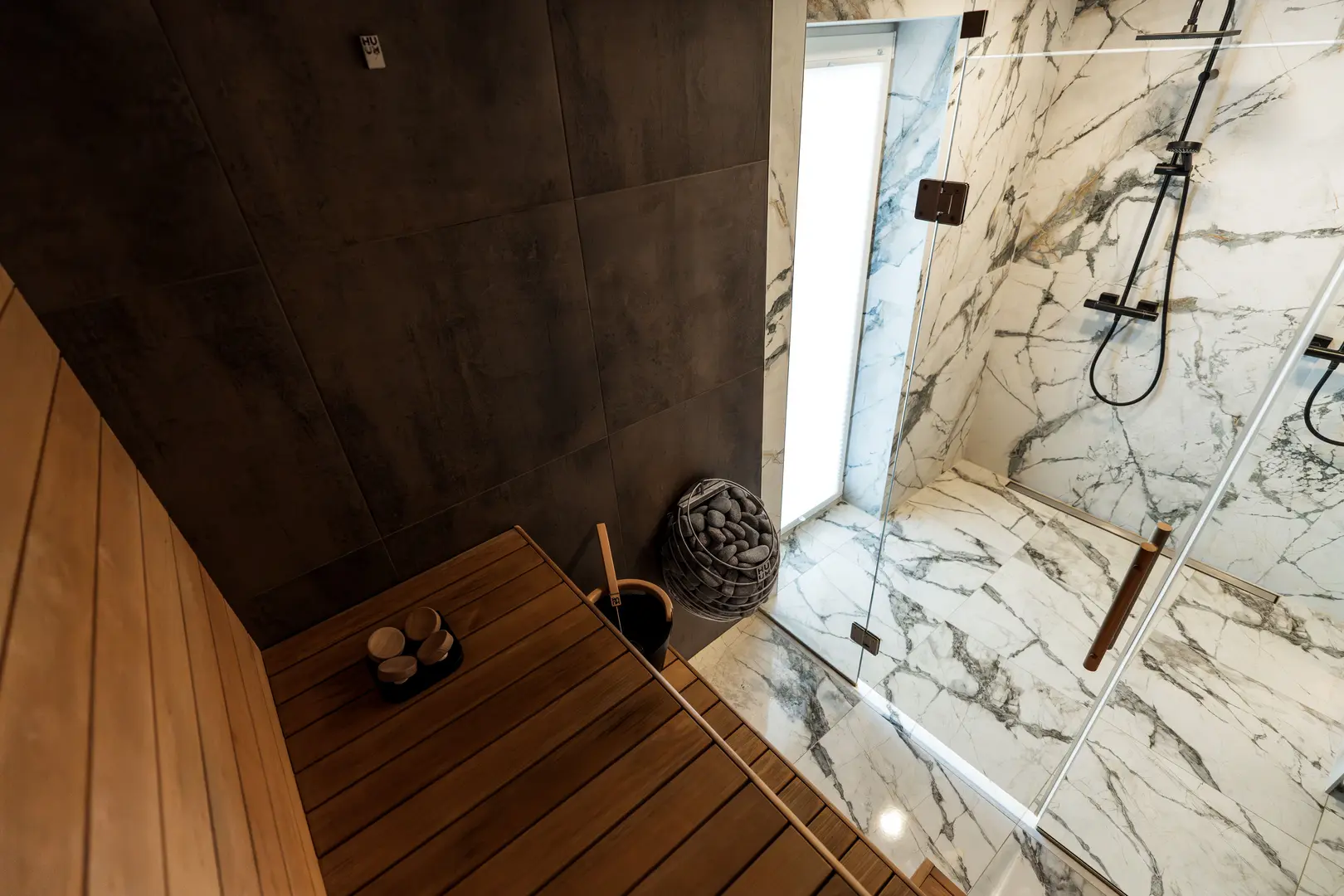
Home table showers should be treated as wet-room projects. Water travels beyond the table, so the entire splash area needs moisture-management features.
Start with:
- Waterproof floor and walls to manage moisture and prevent damage.
- Efficient drainage to handle water effectively and avoid overspill.
- Ventilation for humidity management, maintaining air quality.
- Safe movement space to ensure accessibility and prevent slips.
- Towels within reach but dry to enhance usability and comfort.
- Easy-to-clean surfaces to streamline maintenance and hygiene.
Avoid clutter for a comfortable environment, focusing on purposeful sensory details rather than an overcrowded spa theme. Keeping the space minimalist and functional enhances the calming atmosphere.
Creating the Right Atmosphere for Relaxation
Lighting sets the mood. Use dimmable fixtures to reduce glare while maintaining safety. Fixtures must be suitable for wet zones, providing necessary illumination without compromising safety.
Subtle aromatherapy adds calm, but strong scents can overwhelm in enclosed spaces. Follow instructions and ensure ventilation, allowing for a fresh but not overpowering aroma that complements the serene environment.
Soothing soundscapes complete the setting. Use built-in or appropriately placed equipment, avoiding corded electronics in wet areas. Opt for waterproof or placed-around room speakers for a safe yet immersive experience.
Prioritize three elements:
- Light: Warm, dimmable, and suitable for wet locations to create a peaceful ambiance.
- Scent: Subtle, with options for easy adjustment to cater to personal preferences.
- Sound: Soft, and played from equipment safely situated away from water exposure.
Ensure lighting is bright enough for safety, revealing water, table edges, or controls while maintaining a gentle, inviting glow.
Combining Water Flow With a Personalized Massage
Coordination is key. Test water away from the recipient and adjust gradually. Ongoing feedback is crucial to maintain comfort and adapt to the individual’s preferences.
Start with a gentle spray and slow massage movements. Water can warm an area or rinse between stages. Avoid strong streams on sensitive areas, considering the individual’s comfort at every step.
Personalization may involve:
- Adjusting water temperature and spray to match comfort levels.
- Massage pressure tailored to individual tolerance and focus areas.
- Time spent on each area to address specific needs or preferences.
- Water flow pattern to provide varying sensations.
- Body positioning and towel coverage for ultimate comfort.
Monitor comfort to adapt to temperature or sensitivity changes. If the recipient feels unwell, stop the treatment and assist safely, prioritizing their wellbeing throughout the session.
Making Cleanup After the Treatment Simple
Easy cleanup begins with material selection. Use nonporous table surfaces, waterproof finishes, and well-drained floors that handle water exposure efficiently.
A basic cleanup process includes:
- Removing and washing towels and accessories to maintain hygiene.
- Rinsing product residue from surfaces to prevent buildup.
- Cleaning the table as per instructions to extend its lifespan.
- Wiping and ensuring drainage to maintain a tidy space.
- Running ventilation to clear humidity and dry out the space.
- Allowing surfaces to dry fully before the next use.
Remove massage oil residue promptly to prevent slipperiness. Effective drainage and surface design simplify routines, making the space ready for subsequent sessions without hassle.
Installation Planning and Essential Safety Measures
Installing a home table shower involves managing plumbing, waterproofing, drainage, and possibly electrical work. These systems must integrate smoothly to create a seamless and safe environment.
Plan the room for continuous wet conditions. Water should stay within waterproofed limits, with proper drainage and ventilation to handle moisture efficiently and protect the space.
Building requirements differ by location. Professionals can assess structural conditions, local codes, drainage, electrical safety, and room suitability to ensure everything adheres to regulations.
Creating a Safe and Durable Wet-Room Base
The wet-room base is crucial. Slip-resistant, sloped flooring ensures water flows to drains, not across the room, minimizing slip risks.
Walls need continuous waterproofing behind finishes. Corners, seams, and connections require careful sealing to prevent leaks and water damage.
A durable foundation includes:
- Water-compatible flooring designed for wet environments.
- Consistent slope to effective drains, ensuring water doesn’t pool.
- Waterproof membranes that protect interiors from moisture.
- Sealed transitions and penetrations to prevent hidden leaks.
- Materials for frequent cleaning, maintaining hygiene.
- Appropriate ventilation to keep air fresh and prevent mold growth.
Waterproof tile isn’t sufficient; the underlying system must be designed for wet conditions. Professional installation reduces potential hidden leaks, ensuring long-term reliability.
Choosing and Positioning a Handheld Shower Kit
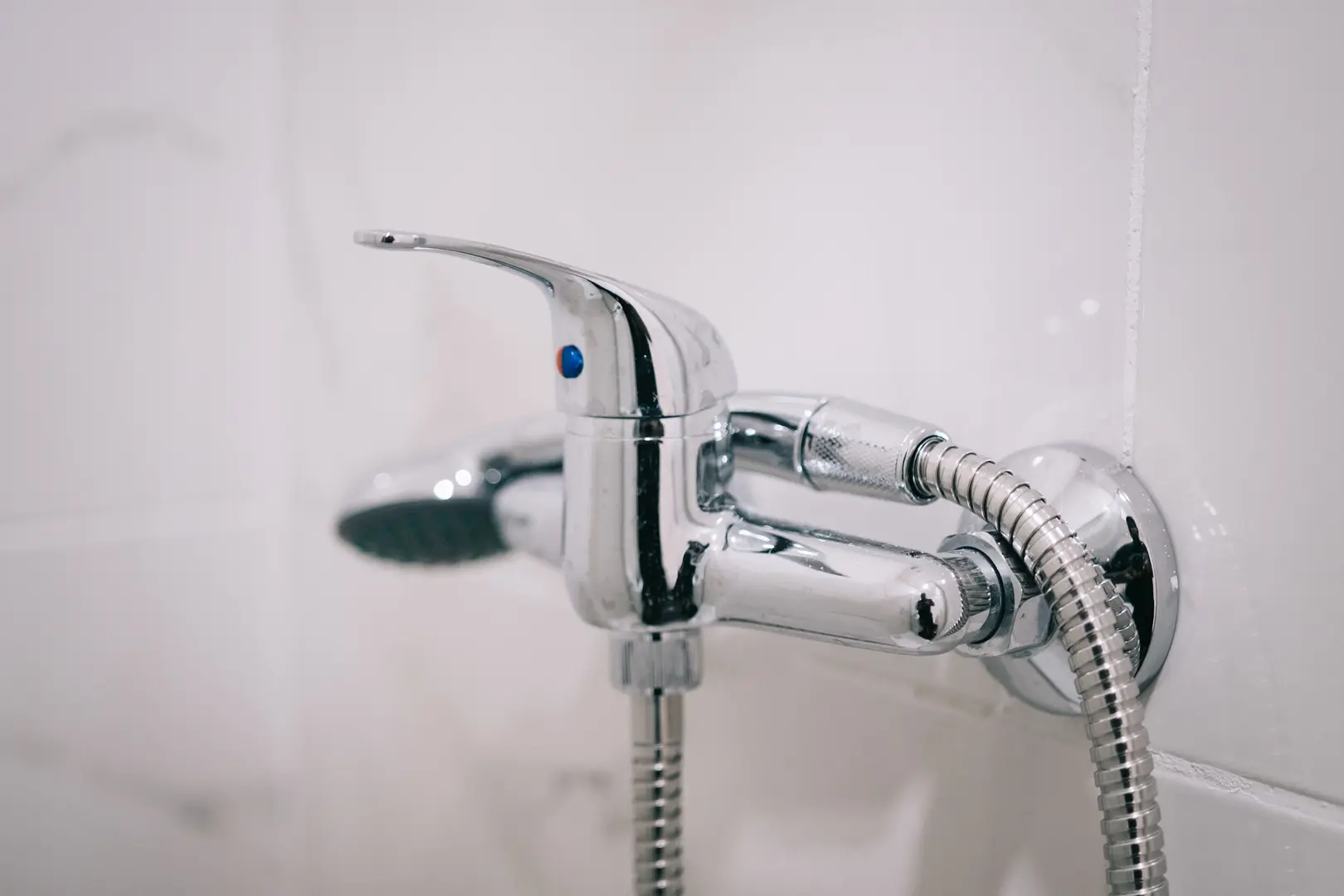
A handheld shower kit provides flexibility. Its mount should be secure and accessible, preventing hose tangles or interference with movement, making it easy to use for both the practitioner and receiver.
Choose a hose length that reaches the entire table without excessive slack. Position the mount for practical use, allowing easy adjustment and avoiding crossing walkways to minimize hazards.
Shower controls should be accessible to the therapist, avoiding awkward positions or recipient disruption. Proper positioning ensures smooth operation and enhances the overall experience.
Following Electrical Safety Rules Around Water
Separation of water and electricity is vital. Outlets near water require ground-fault circuit interrupter (GFCI) protection. Electrical components must be approved for their location to ensure safety and compliance.
Avoid corded devices in wet areas. Battery operation doesn’t guarantee water safety; adhere to use requirements and guidelines to prevent risks.
Professionals should handle electrical work. An electrician ensures GFCI protection, fixture ratings, outlet placement, and rule compliance, providing peace of mind and ensuring a safer home table shower experience. Proper planning mitigates risks and enhances the utility and enjoyment of the space.