What is the most comfortable bath shape? Choosing the right bath for you
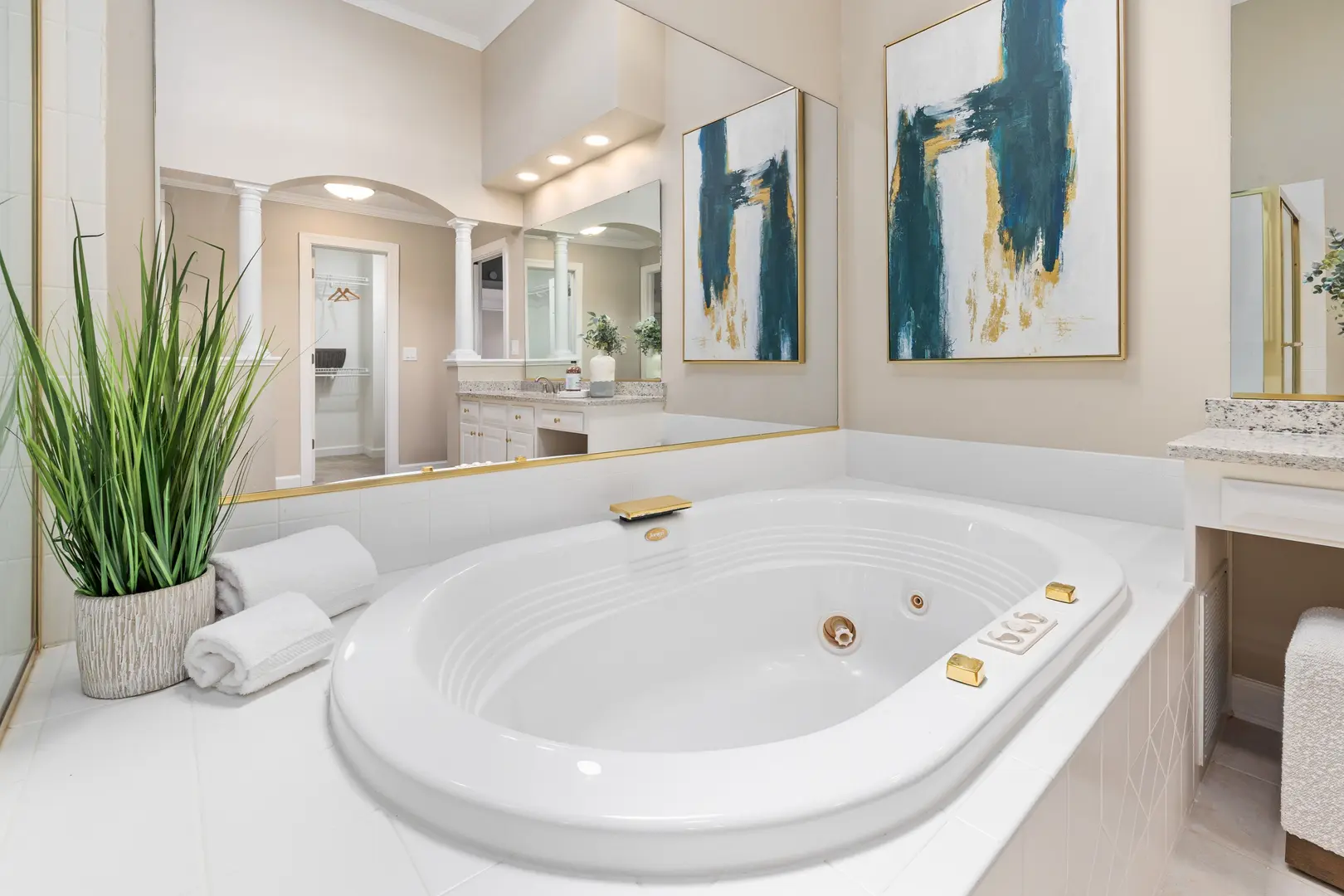
Finding the answer to “what is the most comfortable bath shape?” starts with understanding how you like to bathe. A shape that suits a quick daily wash may not be the best choice for long, relaxing soaks. Your height, preferred reclining position, bathroom size and need for body support all matter.
The most comfortable bath is therefore not simply the most attractive model in a showroom. It is the one that fits your body, available space and bathing habits.
How the shape of a bath influences comfort
Bath shape affects how your back, shoulders, neck and legs are positioned. Although dimensions and depth are important, the contours of the bath determine whether you can settle naturally or need to adjust your posture throughout a soak.
A gently angled backrest can encourage a relaxed reclining position. Curved sides may provide a more supportive feel, while a bath with straighter ends can feel more upright. The position of the taps also matters: fittings installed at the end of the bath can limit where you rest your head, whereas centrally mounted taps leave both ends available for reclining.
Before choosing a design, think about your normal bathing position:
- Do you prefer to sit upright or recline?
- Do you stretch out your legs or keep them slightly bent?
- Will the bath usually be used by one person or shared?
- Are long soaks important, or is the bath mainly for practical washing?
- Do you need extra support around your neck, shoulders or back?
Showroom appearance can be misleading. A sculptural bath may look inviting but feel less comfortable if its interior is too upright or does not support your preferred posture. Conversely, a simple bath can be very comfortable when its internal shape suits the user.
When possible, view the bath in person and consider sitting in it while it is empty. You are not trying to recreate a full soak; instead, check whether the backrest feels natural, whether the rim interferes with your shoulders and whether there appears to be enough room for your legs. This can reveal more about comfort than appearance alone.
Single-ended baths: practical comfort in compact bathrooms
A single-ended bath has taps and waste positioned at one end, with the opposite end intended for reclining. It is one of the most familiar bath layouts and works well in bathrooms where efficient use of space is a priority.
Comfort varies significantly between designs. Some have a gently sloping backrest that supports relaxed bathing, while others have a more upright profile suited to shorter, practical baths. The tap end is generally not designed as a comfortable place to lean, so there is only one main reclining position.
The straightforward layout has several practical benefits:
- It fits neatly against a wall.
- It can suit compact bathroom arrangements.
- The dedicated reclining end makes the intended bathing position clear.
- It is appropriate for everyday bathing where sharing is not a priority.
When comparing single-ended baths, focus on the internal shape rather than only the external dimensions. A bath may occupy a reasonable amount of floor space but provide less usable room inside because of thick rims or steep contours. Pay particular attention to the angle at the end without taps, as this is the area that will provide most of your support.
A single-ended bath may be the most comfortable choice for a small bathroom when it combines an accommodating interior with a supportive backrest. It offers a practical balance between comfort and efficient placement, although it is usually less flexible than a bath designed for reclining at either end.
Double-ended baths for flexible reclining and shared use
A double-ended bath normally has a symmetrical or near-symmetrical interior, with the taps and waste positioned in the centre. This arrangement leaves both ends free, allowing you to recline in either direction without leaning against the fittings.
That flexibility can make a noticeable difference to daily comfort. You can choose the end that works best with the room layout, the view or your preferred position. If two people share the bath, each has a backrest rather than one person needing to sit against the taps.
The balanced layout makes double-ended baths particularly suitable for:
- Longer, more relaxed soaks
- Couples who want to use the bath together
- Households with different reclining preferences
- Bathrooms where visual symmetry is important
Comfort still depends on the exact interior design. A double-ended layout does not automatically mean that the bath will provide ideal support. Check the slope and shape at both ends, particularly if the bath has a highly symmetrical but relatively upright profile.
Central taps also need to be considered as part of the overall bathroom arrangement. They should be positioned so that they are practical to reach without interfering with entry, exit or the usable bathing area. When the layout is planned successfully, a double-ended bath offers one of the most adaptable combinations of comfort, balance and shared use.
For people who regularly enjoy extended soaks, this is often a strong answer to the question of what is the most comfortable bath shape. Both ends are usable, and there is no tap assembly behind the bather’s head or shoulders.
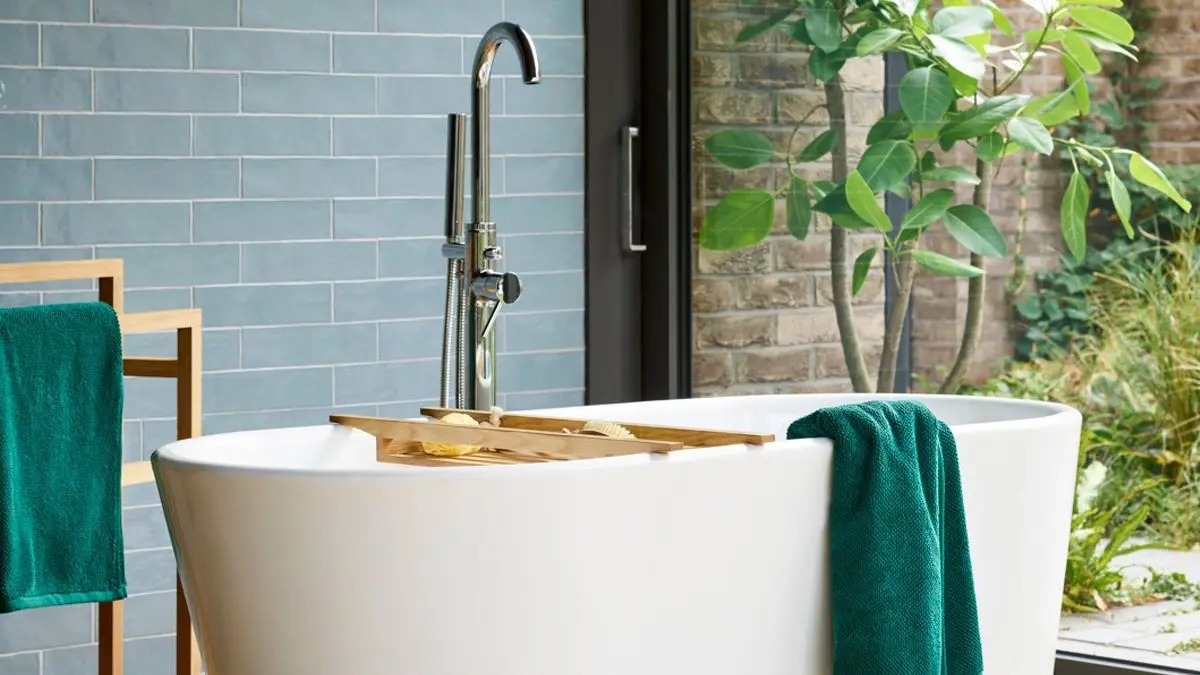
Freestanding baths with curved, supportive designs
Freestanding baths are available in many shapes, but curved designs are especially associated with relaxed bathing. Smooth interior contours can follow the body more naturally than sharp transitions, helping to create a supportive and enclosed feel.
Their visual appeal is also part of the experience. Because a freestanding bath is not enclosed by a standard surround, its full shape becomes a feature of the room. However, comfort should remain the deciding factor. A dramatic exterior does not always indicate that the internal contours will suit your body.
Slipper baths are a notable option for bathers who value upper-body support. Their raised end is designed to support the back and neck in a more elevated reclining position. Some designs have one raised end, while others provide support at both ends. This shape can feel particularly inviting during a long soak, provided the angle suits your preferred posture.
Freestanding baths generally need more surrounding room than models fitted against a wall. Enough space is required for the bath itself, its taps and a layout that does not feel cramped. The position of the bath also affects cleaning access and how easily you can move around it, so the available floor area should be assessed carefully.
Before selecting one, consider:
- Whether the interior is long enough for your preferred leg position
- How the curved back supports your shoulders and neck
- Whether you prefer a low recline or a more upright slipper shape
- Where the taps will sit in relation to your bathing position
- Whether the room has sufficient space around the bath
A well-proportioned freestanding bath can be among the most comfortable options for prolonged relaxation. Its success depends on choosing supportive curves rather than treating freestanding installation as a guarantee of comfort.
Corner baths that make the most of limited space
Corner baths are shaped to fit into the corner of a bathroom, helping to use an area that might otherwise be difficult to plan efficiently. Their broad appearance can create a spacious impression, making them appealing when a conventional straight bath does not work well with the room.
The interior may provide generous space around the upper body. This can make the bath feel open and relaxing rather than narrow. Corner placement can also free up other parts of the room, depending on the layout.
However, the wide shape does not always translate into more legroom. Some corner baths taper or use their footprint in a way that provides less space for stretching out than expected. This is why the internal bathing area needs as much attention as the external shape.
A corner bath is likely to be comfortable when:
- Its internal contours support your normal sitting position.
- The leg area is suitable for your height.
- The backrest has an angle that feels natural.
- The taps do not intrude into the area where you want to sit.
- Its footprint works with the rest of the bathroom.
This style can be an effective compromise for an awkward or limited floor plan, particularly if you enjoy a broad, spacious bathing area. If stretching out fully is important, compare the usable interior with that of a straight bath before deciding.
Deep soaking baths for a more immersive experience
Deep soaking baths focus on immersion rather than a long, shallow reclining position. Often influenced by Japanese-style bathing, they allow more of the body to sit below the water while the bather remains relatively upright.
This different posture can provide a calm, enclosed experience. Instead of stretching out, you sit more deeply within the bath, making it suitable for people who value immersion and a spa-like atmosphere at home.
A deep soaking bath may be appealing if you:
- Prefer sitting upright to lying back
- Want the water to surround more of your body
- Enjoy unhurried, restorative bathing
- Are comfortable with a more compact sitting position
Depth alone does not determine comfort. The seat or base, back support and overall internal shape must still suit the user. Someone who prefers straight legs and a low reclining position may find a conventional double-ended or freestanding bath more comfortable. By contrast, a bather who enjoys being deeply immersed may prefer a soaking bath even if its footprint is relatively compact.
It is also important to think about entry and exit when considering a deeper design. The shape should be appropriate for everyone expected to use it. Comfort includes not just the time spent in the water but the overall ease of using the bath.
For the right person, a deep soaking bath can create one of the most immersive bathing experiences available. Its appeal lies less in lounging horizontally and more in quiet, full-body soaking.
Additional features that can improve bath comfort
Overall shape is only one part of bath comfort. Depth, backrest angle and material can all change how a bath feels in regular use.
Bath depth affects immersion. A deeper bath allows more of the body to be covered by water, which can enhance the sense of relaxation. However, the best depth depends on whether you prefer upright soaking or reclining. A very deep bath is not automatically more comfortable for every user.
Backrest angle influences posture. A gentle slope can support the body during longer baths, reducing the need to hold yourself in an awkward position. If the backrest is too upright for your preference, you may struggle to relax. If it is too heavily reclined, the bath may use more of its length without providing the legroom you expect.
Material warmth also contributes to the experience. Different bath materials feel different when first touched and vary in how warm and inviting they seem during use. If long soaks are a priority, consider how the material contributes to the bath’s overall sense of warmth rather than judging it only by finish or colour.
Other design details should be assessed together with these factors:
| Feature | Comfort consideration |
|---|---|
| Interior contours | Should support the back without creating uncomfortable pressure points |
| Rim shape | Should not interfere with the shoulders, arms or preferred reclining position |
| Tap location | Should leave enough space for the head, back and legs |
| Usable interior | Matters more for comfort than the bath’s exterior size alone |
| Bathing position | Should match whether you sit upright, recline or share the bath |
No single feature can compensate fully for an unsuitable interior shape. A deep, attractive bath may still feel uncomfortable if the backrest does not support you. Similarly, a simple design can offer excellent comfort when its dimensions and contours align with your body.
Choosing the most comfortable bath shape for your needs
So, what is the most comfortable bath shape? There is no universal winner. The best option depends on personal preference, the space available and the kind of body support you need.
A single-ended bath is a practical choice for smaller bathrooms and straightforward daily use. A double-ended bath provides flexible reclining and is especially suitable for sharing. Freestanding curved and slipper baths can offer strong back or neck support, while corner baths help make use of challenging floor plans. Deep soaking baths are ideal for people who prefer upright, immersive bathing.
Before making your decision, prioritise three questions:
Does the interior support your preferred position? Look at the backrest angle, curves and space for your legs.
Does the shape suit the bathroom? Account for the full footprint, tap placement and surrounding space.
How will you use the bath most often? Choose for everyday habits rather than occasional aspirations.
For extended reclining, double-ended and supportive freestanding baths are often the leading choices. Their flexible layouts and curved forms can make long soaks more comfortable. However, a carefully designed single-ended, corner or deep soaking bath may be better when space or bathing posture is the main consideration.
Ultimately, the most comfortable bath is the one that fits both your body and your room. Focus on usable internal space, support and preferred bathing style, and let appearance guide the final design choice rather than the other way around.