What Is a Thermostatic Shower? Safety, Operation, and Key Benefits
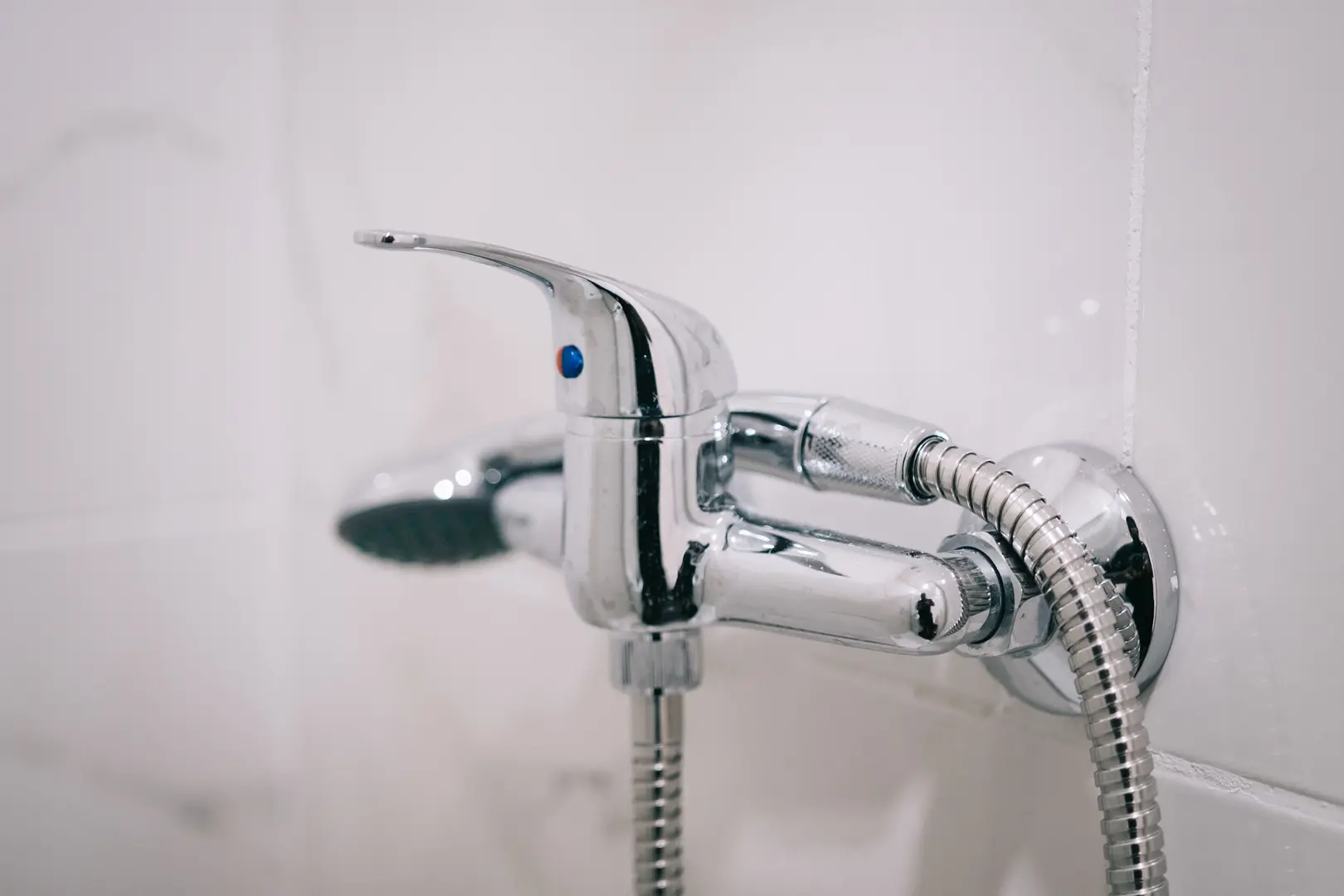
A thermostatic shower is a mixer shower designed to keep the water at a selected temperature, even when pressure elsewhere in the plumbing system changes. It combines hot and cold supplies but adds automatic temperature control, reducing sudden hot or cold swings when another tap, toilet, or appliance is used.
For households asking what is thermostatic shower technology and whether it is worthwhile, the main advantages are steadier comfort and built-in anti-scald protection. These features make thermostatic models especially useful in family, accessible, and shared bathrooms.
How Thermostatic Shower Valves Keep Water Temperature Steady
A conventional manual mixer combines hot and cold water according to the position of its controls. If the pressure or flow from either supply changes, the outlet temperature can also change. A toilet being flushed or a tap opening elsewhere in the home may therefore make the shower suddenly warmer or colder.
A thermostatic shower responds differently. Its built-in valve includes a temperature-sensitive element that monitors the mixed water. When conditions change, the valve adjusts the balance between the hot and cold supplies in real time.
For example:
- If the cold-water pressure falls, the valve reduces the amount of hot water entering the mix.
- If the hot supply becomes less dominant, the valve adjusts the balance to maintain the selected temperature.
- When demand elsewhere in the plumbing system changes, the valve continues correcting the mix.
These adjustments happen automatically. The person showering does not normally need to move the temperature control whenever someone uses another outlet.
This stability is particularly valuable in busy homes. A manual mixer may deliver a comfortable temperature at first but cannot actively compensate for supply changes. A thermostatic model is specifically designed to maintain a more consistent outlet temperature.
It is important to distinguish temperature stability from constant flow. A thermostatic valve can correct the proportion of hot and cold water, but the overall flow may still fall if the available water pressure drops significantly.
Understanding How Thermostatic Mixing Valves Work
A thermostatic mixing valve has hot and cold inlets, a mixed-water outlet, temperature and flow controls, and an internal temperature-sensitive element. Together, these components regulate the water delivered through the shower head.
The basic process is straightforward:
- Hot and cold water enter the valve through separate connections.
- The supplies are mixed according to the selected temperature.
- The temperature-sensitive element reacts to the mixed water.
- The valve changes the hot-to-cold balance when necessary.
- The regulated water travels to the shower outlet.
This operation is mechanical in a standard thermostatic mixer. It does not need electronic monitoring to make routine temperature corrections.
Understanding this process also helps when performance becomes inconsistent. A thermostatic valve can only regulate the supplies available to it. If the pressure is inadequate, one supply is interrupted, the incoming hot water is no longer hot enough, or the installation is incorrect, the valve may not be able to produce the expected result.
A temperature control that seems to become less hot over time does not automatically prove that the thermostatic valve has failed. The available hot-water supply, control setting, installation, and condition of the valve all need to be considered. This is why diagnosis should cover the complete shower and plumbing arrangement rather than focusing only on the cartridge or valve.
Built-In Protection Against Scalding
Thermostatic showers are widely chosen for their anti-scald features. A typical safety arrangement caps the normal maximum temperature at approximately 38°C, helping to prevent the control from being turned inadvertently to an excessively hot setting.
The other important safeguard is the response to cold-water supply failure. If the cold supply stops, a thermostatic valve is designed to shut down the hot flow rather than continue delivering untempered hot water.
These features can be particularly valuable for:
- Young children
- Older people
- People with reduced mobility
- Users who may find it difficult to react quickly to a temperature change
- Shared households and rented properties
Temperature controls still need to be set and used responsibly. The safety cap is not a substitute for correct installation, suitable water supplies, or maintenance. However, it provides a useful extra layer of protection compared with a basic manual mixer.
For landlords, a thermostatic shower can be a cost-effective bathroom safety improvement. It reduces reliance on every user reacting quickly to an unexpected temperature change and can make the shower more suitable for a wider range of occupants.
Why Thermostatic Showers Suit Family and Accessible Bathrooms
Children can be particularly sensitive to very hot water and may not adjust a shower control correctly. A thermostatic model makes the chosen temperature more predictable and helps limit access to excessively hot water through its temperature cap.
The same principles support accessible bathroom design. Someone with limited movement may be unable to step away from the spray or change the control immediately. Stable temperature regulation and automatic shutdown following cold-supply failure therefore have greater importance than comfort alone.
Thermostatic showers are also useful when several people share the same plumbing system. Morning routines may involve toilets flushing, taps running, and appliances drawing water while someone is showering. These changes can affect a manual mixer directly. A thermostatic valve reacts to them and works to preserve the selected temperature.
Key benefits in family and accessible bathrooms include:
- A more consistent showering temperature
- Reduced risk of abrupt hot-water delivery
- Less frequent manual adjustment
- Better performance during changing household demand
- Controls that can be set to a familiar temperature
- Added reassurance for vulnerable users and carers
The valve cannot create water pressure or increase the capacity of the hot-water system. A correctly selected shower must still be compatible with the property’s plumbing. Within those limits, thermostatic control makes the experience more stable and manageable.
Thermostatic Shower Types, Designs, and Finishes
Thermostatic showers are available in two main formats: exposed bar mixers and concealed mixers.
An exposed bar mixer places the valve body visibly on the wall. The temperature and flow controls are positioned at either end or on the front of the unit, depending on its design. This format has a clear, functional appearance and keeps the main valve accessible.
A concealed mixer hides most of the valve behind the wall, leaving the controls and trim plate visible. It creates a more streamlined look but requires suitable space and installation access within the wall.
| Format | Appearance | Main consideration |
|---|---|---|
| Bar mixer | Valve body remains visible | Straightforward access to the exposed unit |
| Concealed mixer | Most working parts sit behind the wall | Wall space and future service access must be planned |
Both formats can provide thermostatic temperature control. The choice is largely influenced by bathroom layout, installation requirements, appearance, and budget.
Common finishes include:
- Chrome: A versatile finish that coordinates with many taps, shower heads, and bathroom accessories.
- Matt black: A strong contemporary option, particularly when matched with black controls and fittings.
- Brushed brass: A warmer decorative finish that can complement similarly finished taps and accessories.
Consistency matters when planning the overall room. Matching the shower with taps, towel rails, wastes, and other visible accessories generally creates a more coordinated result. Before choosing a less common finish, also consider the availability of compatible components and replacement trim.
Choosing an Established Thermostatic Shower Manufacturer
Established UK manufacturers offer thermostatic showers at both budget and premium price points. Price may vary according to format, finish, design, included outlets, and the type of controls.
The cheapest purchase price should not be the only consideration. A thermostatic valve contains serviceable internal parts, so future availability can matter. Before buying, check whether the manufacturer provides:
- Replacement thermostatic components
- Clear installation instructions
- Technical information about pressure requirements
- Compatible shower heads, hoses, and accessories
- A suitable choice of exposed and concealed designs
- Product options within the required budget
A broad product range also makes it easier to find a shower that matches the bathroom without sacrificing plumbing compatibility. Premium styling may be appealing, but reliable parts support and correct specification remain important at every price level.
Frequently Asked Questions About Thermostatic Showers
The following answers cover the definition, cost, pressure requirements, electricity use, and differences between thermostatic and ordinary mixer showers.
How Would You Define a Thermostatic Shower?
A thermostatic shower is a mixer shower with an integrated thermostatic valve. It blends water from the hot and cold supplies while automatically adjusting their proportions to maintain a stable selected temperature.
That active adjustment is its defining feature. Rather than relying solely on a fixed control position, the valve responds when the balance between the supplies changes.
Does the Added Cost of a Thermostatic Shower Pay Off?
For many households, yes. The price difference between a manual and thermostatic mixer may be relatively small compared with the long-term benefits of more stable water temperature and anti-scald protection.
The added cost is particularly worthwhile in homes occupied by children, older people, or anyone who may be vulnerable to sudden temperature changes. It can also improve everyday comfort in busy households where several outlets are used at once.
Value still depends on correct selection and installation. An unsuitable model will not solve inadequate pressure or supply problems simply because it contains a thermostatic valve.
Can a Thermostatic Shower Run on Low Water Pressure?
A thermostatic shower generally requires at least 1 bar of water pressure. Always confirm the exact requirement for the chosen model before purchase, as the shower must be compatible with the property’s hot- and cold-water system.
Combi boiler systems typically meet this requirement when operating correctly. Where pressure is below the level required by the shower, it may be necessary to consider a suitable pump or choose an electric shower instead.
Pressure should not be judged only by how forceful the water appears at one tap. If there is uncertainty about system suitability, seek advice from a qualified installer before selecting the valve.
Does a Thermostatic Shower Need an Electrical Supply?
A standard thermostatic mixer shower does not normally need electricity. Its temperature-sensitive mechanism operates mechanically, using the conditions within the flowing water to regulate the hot and cold mix.
Digital thermostatic showers are different because their controls and electronic features need a power supply. Their electricity consumption is minimal, but installation requirements will differ from those of a standard mechanical mixer.
A thermostatic mixer should not be confused with an electric shower. An electric shower uses electricity to heat cold water, while a conventional thermostatic mixer blends existing hot and cold supplies.
How Does a Thermostatic Shower Differ From a Mixer Shower?
A mixer shower is any shower that combines water from separate hot and cold supplies. A thermostatic shower is a type of mixer shower that adds an automatic temperature-regulating valve.
A manual mixer sets the proportion of hot and cold water according to the control position but does not actively maintain the outlet temperature. A thermostatic mixer monitors the mixed water and adjusts the proportions when supply conditions change.
Therefore, every thermostatic shower is a mixer shower, but not every mixer shower has thermostatic control.
Troubleshooting Thermostatic Showers
If a thermostatic shower becomes extremely hot, extremely cold, or only produces lukewarm water, avoid assuming that replacing the valve will automatically solve the problem. The fault may involve the shower, the installation, or the wider water supplies.
Use the following checks as a practical starting point:
- Confirm both supplies are available. Check whether hot and cold water are reaching other outlets normally.
- Check the incoming hot-water temperature. A thermostatic valve cannot deliver a hotter shower than the supply allows.
- Consider pressure changes. Persistent low or unstable pressure may prevent the valve from operating as expected.
- Review the installation. Confirm that the shower was fitted in accordance with its instructions and that the hot and cold connections are correct.
- Check the temperature setting. If the highest available temperature has gradually diminished, the control or valve may need inspection or adjustment in line with the manufacturer’s guidance.
- Compare performance over time. Note whether the problem is constant or happens only while other taps or appliances are in use.
- Arrange professional assessment. If the water becomes dangerously hot, remains cold, or cannot be controlled predictably, stop using the shower until it has been checked.
Replacing the thermostatic valve is one possible response to a persistent temperature problem, but it is not a guaranteed cure. If the same warm-water issue continues after replacement, the cause may lie elsewhere, such as the available hot supply, pressure conditions, or installation.
A complete diagnosis should therefore assess both the valve and the plumbing system serving it. This avoids repeatedly replacing components without addressing the underlying reason for inconsistent performance.