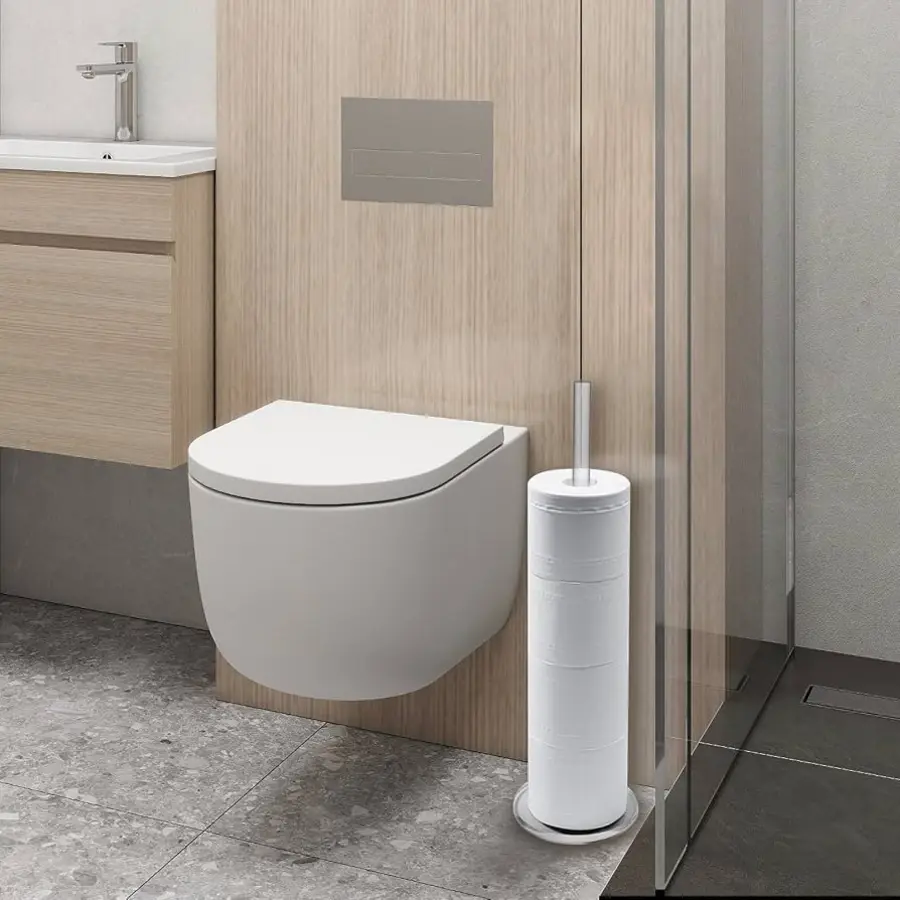
When Should You Replace a Toilet Brush?

Replace a toilet brush when it no longer cleans well or cannot be kept reasonably clean. Bent, flattened, frayed, or shedding bristles are the clearest signs. Replace it sooner if it stays smelly after cleaning and drying, has recurring slimy buildup or visible mold, or has a cracked, loose, or rusting handle.
There is no single deadline that fits every household. Some cleaning advice suggests replacing a brush about every six months, but condition matters more than a calendar reminder. A brush that is rinsed, dried, and cleaned regularly may remain useful longer than one that sits wet in a dirty holder. On the other hand, a heavily used brush can wear out well before six months.
The practical answer: replace it when cleaning no longer restores it
A toilet brush is a cleaning tool, not a permanent bathroom accessory. It needs enough spring and shape in the bristles to scrub the bowl, reach under the rim, and rinse free afterward. If residue, odor, or wear remains after a sensible cleaning routine, replacing the brush is usually the simpler choice.
Permanent staining alone does not always prove that a brush is unusable. White plastic bristles can discolor over time even when they are clean. Look at the full picture instead: how the brush smells, whether it rinses clean, whether the bristles still hold their shape, and whether it can actually scrub the areas you need to reach.
Signs to replace a toilet brush
The bristles are bent, flattened, or frayed
Bristles that splay outward or stay pressed flat do not scrub as effectively. They may also make it harder to reach beneath the toilet rim or into the curve of the bowl. If the brush head has lost its original working shape, replacement makes more sense than trying to revive it.
[[IMAGE:worn-toilet-brush]]
Replace the brush if bristles are falling out as you clean. Loose bristles can remain in the bowl or become trapped around the holder, creating an extra cleanup task.
It still smells after cleaning and fully drying
A brief odor while you are actively cleaning is different from a persistent sour or sewage-like smell that remains after the brush has been rinsed, cleaned, and allowed to dry. A lingering odor can mean residue is trapped deep in the bristles, around the brush head, or inside the handle connection.
Before discarding a brush for odor alone, clean the holder too. The holder is often the actual source of the smell, especially if liquid has been sitting at the bottom.
It has buildup that returns quickly
A slimy film, dark residue, or fuzzy growth that returns soon after you clean the brush and holder is a good reason to start over with a new brush. This is particularly true when the brush is stored in a holder that does not drain or allow airflow.
Do not ignore visible mold-like growth. Dispose of the brush and thoroughly clean or replace the holder, depending on whether the holder can be cleaned effectively.
The brush head, handle, or core is damaged
A loose head, split plastic, cracked handle, exposed metal, or rusting internal core can trap grime and make the brush awkward or unsafe to use. Damage also makes thorough cleaning harder because residue can collect in seams and cracks.
The holder is damaged or impossible to clean
Sometimes the brush itself is acceptable, but the holder is not. Replace a holder that is cracked, badly rusted, leaking, or permanently foul-smelling after cleaning. A holder should keep the brush upright while allowing it to dry without leaving dirty water pooled around the head.
How often should you replace a toilet brush?
For many bathrooms, checking the brush every few months is more useful than following a strict replacement date. A six-month reminder can be a practical prompt to inspect it, especially in a busy shared bathroom. But there is no need to discard a brush solely because a certain number of months has passed if it remains cleanable, odor-free, intact, and effective.
Replace it earlier when:
- Several people use the same bathroom frequently.
- The brush is used often for stubborn bowl buildup.
- The holder stays damp or collects standing liquid.
- Bristles are quickly losing their shape.
- The brush has not been routinely rinsed and dried after use.
A simple approach is to put the brush on your regular bathroom-maintenance checklist. Inspect both the brush and holder when you clean the toilet or refresh other bathroom basics, such as a shower curtain liner or bath mat.
Can you clean and keep a toilet brush?
Yes. Regular cleaning can extend the useful life of a brush that is still in good condition. The goal is not to make it look brand-new; it is to remove visible residue, reduce odors, and let it dry before it goes back in its holder.
After using the brush, rinse it thoroughly in the clean toilet water as the bowl refills or under running water if that is more practical. Let excess water drip off before returning it to the holder.
For a more thorough cleaning, follow the care instructions for your brush and the label directions for your chosen bathroom disinfectant or cleaner. Clean the handle, the brush head, and the inside and underside of the holder. Never mix cleaning products, especially products that may contain bleach, ammonia, acids, or other active ingredients. If you are unsure whether two products are compatible, use one product at a time and follow its label.
Drying matters as much as cleaning
Putting a dripping-wet brush straight into a closed holder leaves moisture and residue at the bottom. That encourages odor and makes the holder unpleasant to clean.
After rinsing, let the brush drain before storing it. Some people suspend the brush over the bowl briefly so it can drip dry; if you do this, keep it stable and avoid leaving it where it could fall into the bowl or onto the floor. Then return it to a clean holder.
A holder with ventilation or a removable drip tray can make routine care easier. Whichever style you have, empty and wipe out collected water rather than letting it remain there indefinitely.
A simple toilet brush hygiene routine
Use this routine to help a brush last until it is genuinely worn out:
- Rinse the brush after each use so soil does not dry into the bristles.
- Allow the brush to drain before placing it in the holder.
- Wipe the handle and clean the holder as part of your regular bathroom cleaning.
- Empty standing liquid from the holder and clean any residue at its base.
- Inspect the bristles, odor, and hardware regularly.
- Replace the brush or holder when cleaning no longer resolves buildup, odor, damage, or poor performance.
How to dispose of a toilet brush
A worn toilet brush is generally household trash, not a recyclable item. The mixed materials, contamination, and attached bristles make curbside recycling unsuitable in most cases. Check local waste rules if you are unsure, particularly for a brush with an unusual metal handle or removable parts.
Before disposal, rinse off obvious residue if practical, let the brush drain, and place it in a bag before putting it in the trash. This helps keep the bin cleaner and prevents the bristles from catching on other waste.
If you are replacing a brush with a system that has removable heads, check the manufacturer’s disposal guidance. Replacement heads are not automatically recyclable just because the handle is reusable.
Choosing a replacement that is easier to maintain
The best replacement is one you can rinse, dry, and store without creating a dirty puddle in the holder. Look for a brush head that reaches under the rim of your toilet, bristles that keep their shape, and a holder that is easy to empty and wipe out.
A fully enclosed holder may look tidier, but it can hold moisture if the brush goes back wet. An open or ventilated design may dry faster but can leave the brush more visible. In a small bathroom, choose the style that fits your cleaning routine rather than the one that simply hides the brush.
The key decision is straightforward: clean and keep a toilet brush while it remains effective, odor-free after care, and structurally sound. Replace it when wear, trapped odor, recurring buildup, or damage makes it harder to clean the toilet or keep the holder hygienic.
References
- How often do you replace your toilet brush and/or plunger?. (n.d.). https://www.facebook.com/groups/259908505274324/posts/1776259950305831
- How to Clean a Toilet Brush: The Complete Guide. (n.d.). https://www.ferberpainting.com/us/blog/how-to-clean-a-toilet-brush-the-complete-guide
- You’re Not Cleaning Your Toilet Brush Often Enough | Smarter - Consumer Reports. (n.d.). https://www.consumerreports.org/home-garden/cleaning/smarter-you-are-not-cleaning-your-toilet-brush-often-enough-a7086750509
- How to Clean Your Toilet Brush and Holder: The Full Guide - Lanerdi. (n.d.). https://www.anmeifaucet.com/how-to-clean-your-toilet-brush-and-holder
- The toilet brush and its holder are one of the most bacteria …. (n.d.). https://www.facebook.com/spritznproducts/posts/the-toilet-brush-and-its-holder-are-one-of-the-most-bacteria-ridden-foul-smellin/122188413152664858
- Best Toilet Cleaning Brush for a Germ Free Bathroom. (n.d.). https://homebud.in/best-toilet-cleaning-brush-for-a-germ-free-bathroom
- How to Clean a Toilet the Right Way | Reviews by Wirecutter. (n.d.). https://www.nytimes.com/wirecutter/guides/how-to-clean-toilet
- The Low-Gross Way I Keep My Toilet Brush and | DHgate. (n.d.). https://homegarden.dhgate.com/the-low-gross-way-i-keep-my-toilet-brush-and-holder-clean-enough-to-trust