Why Is White Residue Coming Out of Shower Grout?
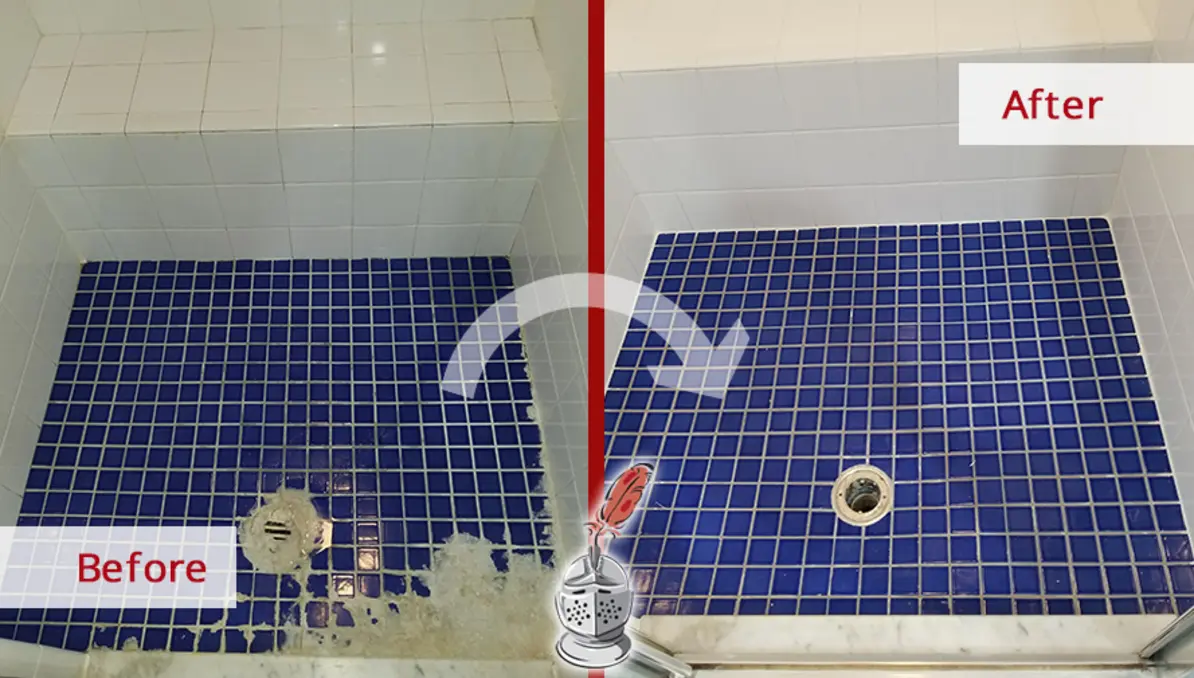
White residue on shower grout usually comes from one of four sources: leftover grout haze from a recent installation, efflorescence caused by moisture moving through the grout or setting materials, hard-water minerals, or construction dust and residue. The location, texture, timing, and whether it returns after cleaning can help identify the cause.
If the grout itself is soft, crumbling, cracked, or repeatedly wet, cleaning will not solve the underlying problem. Stop aggressive scrubbing and arrange a professional inspection, especially if the residue keeps returning from the joints.
Identify the residue before cleaning
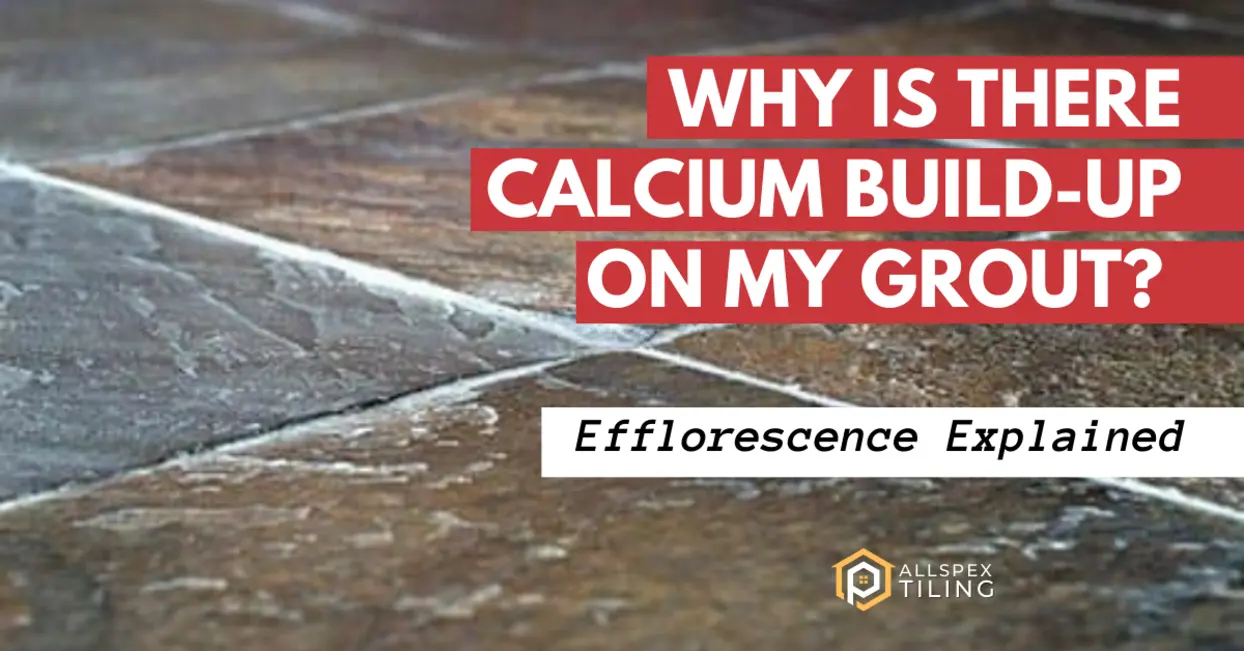
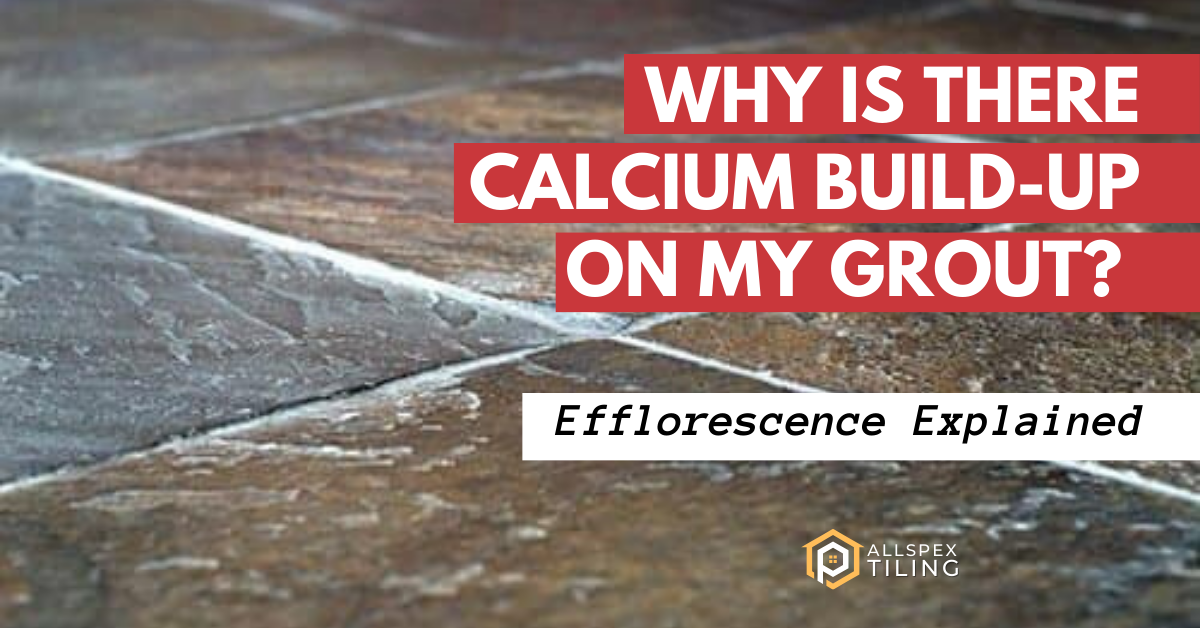
Source: allspextiling.com.au
White deposits can look similar, but they do not all need the same treatment. Use these clues as a starting point rather than relying on color alone.
| Likely cause | What it looks like | Where it appears | Does it return? |
|---|---|---|---|
| Grout haze | Thin, cloudy, dusty film | Broadly across tile faces after grouting | Usually not once removed correctly |
| Efflorescence | Powdery or crusty white deposit | Mostly on grout joints | Often, if moisture continues moving through the assembly |
| Hard-water buildup | Chalky or crusty mineral spots | Splash zones, fixtures, and near the drain | Yes, when mineral-rich water keeps drying there |
| Construction residue | Uneven dust, joint compound, or cement-like smears | Areas exposed during remodeling | Not unless more dust or material is introduced |
Grout haze after installation
Grout haze is a thin cementitious film left on the tile surface when grout cleanup is incomplete. It is most common soon after a shower is tiled and grouted. The tile may look dull or cloudy, while the grout joints themselves can appear reasonably normal.
Haze is generally spread across the tile faces rather than limited to one wet area. A damp white cloth may pick up a chalky film. If the residue is on the tile surface and the installation is recent, grout haze is more likely than efflorescence.
Efflorescence from moisture movement
Efflorescence is a deposit of soluble salts carried toward the surface by moisture. As the water evaporates, it leaves a pale powder or crust behind. In a shower, it commonly appears along grout joints and may return after it has been wiped away.
A recurring deposit does not automatically prove that the shower is leaking. It does indicate that moisture and soluble material are moving through the grout or another part of the tiled assembly. If the joints remain damp, the residue is widespread, or the grout is deteriorating, the moisture source needs attention rather than repeated surface cleaning.
Hard-water mineral buildup
Mineral buildup is more likely when the residue forms around the showerhead, controls, corners, drain, or other areas where water repeatedly splashes and evaporates. It may feel harder or more crusty than grout haze and can affect glass, metal, and tile at the same time.
This type of deposit can return even when the grout is sound because the same water keeps leaving minerals behind. Improving routine drying and cleaning may reduce it, but the mineral content of the water determines how quickly it comes back.
Mortar bleeding and other construction residue
People sometimes describe white material emerging from grout as “mortar bleeding.” That phrase can refer broadly to cement or mineral material moving through a damp joint, but it is not a diagnosis by itself. Fresh remodeling can also leave drywall dust, thin-set residue, cement film, or sealer residue on the tile.
Consider the work history. If the bathroom was recently renovated, residue on exposed tile may be leftover construction material rather than a problem inside the shower wall. If the deposit continues to emerge specifically from grout joints after the surface has been cleaned, efflorescence or a moisture-related grout problem becomes more likely.
How to remove grout haze from shower tiles safely
Use the least aggressive method that matches the surface and the suspected residue.
- Let loose material dry first. Brush away loose powder with a soft or medium nylon brush. Wet wiping can smear a dry deposit into textured tile and grout pores.
- Clean gently. Use clean water and a nonabrasive sponge or microfiber cloth. Work on a small area so you can see whether the residue is lifting without damaging the finish.
- Rinse thoroughly. Remove loosened material and cleaner residue rather than allowing it to dry back onto the tile.
- Use a labeled grout-haze or efflorescence product only if needed. Check that the product is suitable for the tile, grout, and installation age. Follow its label rather than substituting a stronger chemical.
- Test first. Apply any specialty cleaner to an inconspicuous area and inspect the tile, grout color, metal trim, and nearby sealants before treating the full shower.
Acidic cleaners may be appropriate for some cement residue on acid-resistant ceramic or porcelain, but they can etch natural stone and damage certain metals, sealers, and grout products. Do not use vinegar or an acid-based cleaner on natural stone unless the stone and product manufacturer specifically confirms that it is suitable. If you cannot identify the tile or grout, choose a manufacturer-approved neutral cleaner or ask a tile professional.
Never mix cleaning products. Keep the room ventilated, protect nearby metal and finished surfaces, and follow the product label for gloves, eye protection, dilution, dwell time, rinsing, and grout-cure requirements.
What not to do
Avoid abrasive powders, metal brushes, razor scraping on textured tile, and repeated hard scrubbing. These methods can scratch a glossy surface, wear down grout, or make a damaged joint look cleaner only temporarily.
Do not seal over white residue before identifying it. Sealer can trap moisture or make remaining deposits harder to remove. It also will not repair grout that is loose, hollow-sounding, soft, or missing.
Do not assume that every white mark is mold. Mold and mildew usually produce darker discoloration, although a damp shower can have more than one problem at the same time. Cleaning the visible surface does not correct water entering behind the tile.
When recurring residue needs inspection
Stop treating the problem as ordinary buildup and seek professional help if you notice:
- Grout that crumbles, powders, or pulls away when lightly touched
- Cracks, gaps, or missing sections in the grout joints
- A joint that stays visibly wet after the rest of the shower dries
- New residue returning quickly after careful cleaning
- Dampness outside the shower, stained walls or ceilings, or a musty area nearby
- Loose, hollow, or shifting tiles
- White material appearing from several joints or from a wall-floor transition
A professional may need to determine whether the issue involves failed grout, deteriorated caulk, water management behind the tile, a plumbing leak, or moisture entering from another location. Regrouting the visible joint without finding the source may only delay the problem.
Reduce future white deposits
After use, direct the shower spray away from walls when possible and remove standing water from ledges and corners with a squeegee or towel. Keep the shower curtain or door positioned so the enclosure can dry rather than trapping water against the edges. Clean tile and grout with a product approved for the materials, and pay attention to corners, penetrations, and the joint where the wall meets the floor.
If the residue appeared after a new installation, keep the grout and tile information for the installer or manufacturer. The product type, tile material, installation date, and cleaning products already used can determine which removal method is safe.
White residue is often a removable surface deposit, but a pattern that repeatedly comes out of shower grout is a moisture clue. Clean lightly when the tile surface is sound; investigate when the deposit returns from the joints or the grout itself is failing.
References
- Expert Tips on Removing White Residue from Tiles and Grout. (n.d.). https://www.justanswer.com/home-improvement/7fk8g-remove-white-residue-tiles-house-flooded.html
- White Residue. (n.d.). https://tcnatile.com/resource-center/faq/white-residue
- White Haze (Efflorescence) on Tile: Causes, Diagnosis and the Proper Fix. (n.d.). https://tileprocalculator.com/guides/white-haze-efflorescence-on-tile-causes-diagnosis-and-the-proper-fix
- Grout Haze Removal: Contractor Checklist. (n.d.). https://tileshoppes.com/blogs/posts/grout-haze-removal-contractor-checklist
- Removing Grout Haze From Porcelain Tile: Safe Methods That Don’t Scratch | Bedrosians Tile & Stone. (n.d.). https://www.bedrosians.com/en/blog/porcelain-tile/removing-grout-haze-from-porcelain-tile-safe-methods-that-dont-scratch
- What causes white powder on dark gray grout near shower?. (n.d.). https://www.facebook.com/groups/914910123318959/posts/1554845055992126
- 1.7K views | ✨ WHAT IS EFFLORESCENCE—and HOW DO YOU STOP IT? ✨ Efflorescence is that white, chalky residue you sometimes see on tile surfaces, brick, or concrete. It’s caused by soluble salts rising to the surface through moisture migration, and while not always damaging, it definitely ruins the look of your beautiful tile work. You’ll often find it on grout joints in showers, balconies, and swimming pools—basically, anywhere water is constantly present. It’s a natural process when using porous materials like stone or concrete, but that doesn’t mean you have to live with it. 💡 Here’s how to fight back: ✔️ Use a vapor barrier (epoxy coating or uncoupling membrane) when moisture vapor is detected ✔️ Choose less porous tile like glazed ceramic or porcelain ✔️ Avoid cement grout—switch to epoxy ✔️ Clean stubborn deposits with Litokol® Litoclean or Litoclean EVO 🚫 Want to avoid efflorescence altogether? Use 100% solids epoxy grouts from Litokol®, powered by ZHERORISK® technology. These products won’t shrink, crack, or absorb moisture—ever. Top Choices: - EpoxyÉlite EVO - Starlike® EVO - Starlike® Crystal EVO They’re strong, stain-resistant, and absolutely water-tight. 🧼 So stop scrubbing and start preventing— Check us out at The Tile Doctor. Do it now! 💥 Check us out at: http://tiledoctor.com/ Litokol Starlike EVO epoxy grouts: http://tiledoctor.com/products/grouting-and-installation/ Subscribe to my YouTube channel for product application videos: http://www.youtube.com/@tiledoctortrainer Litokol How-To Videos: http://www.youtube.com/@LitokolGroup http://www.facebook.com/litokolgroup Download our product datasheets here: http://tiledoctor.com/data-sheets/ Got questions? Drop us a line at: http://tiledoctor.com/trainer/ Follow TileDoctor Trainer for daily posts on social media: https://www.facebook.com/TheTileDoctor/ http://www.instagram.com/thetiledoctor/ http://www.tiktok.com/@thetiledoctor Pesticide-free Grout on FB: http://www.facebook.com/groups/pesticidefreegrout/ #TheTileDoctor #Litokol #groutmatters #groutglitter #starlikeevogrout #waterproofgrout #epoxygrout #mosaics #TileDoctor #safegrout | The Tile Doctor. (n.d.). https://www.facebook.com/TheTileDoctor/videos/what-is-efflorescenceand-how-do-you-stop-it-efflorescence-is-that-white-chalky/1343645220036111
- Why does my colored grout have a whitish haze-like …. (n.d.). https://www.quora.com/Why-does-my-colored-grout-have-a-whitish-haze-like-residue-on-it-that-I-can-t-get-off