Why Has My Bathroom Become Cold Since Installing an Extractor Fan?
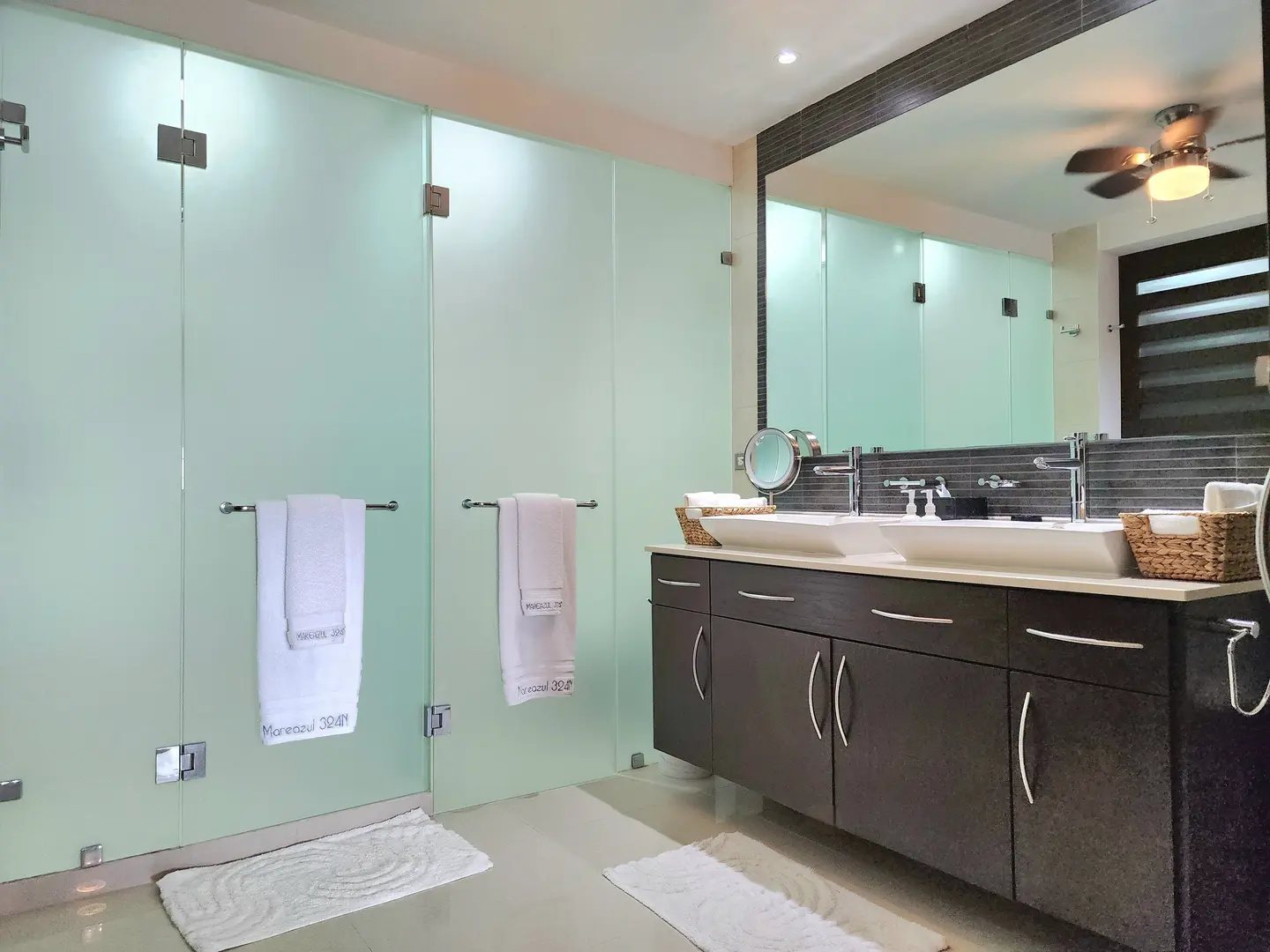
If you are wondering, “Why does my bathroom feel cold after installing extractor fan ventilation?”, the answer usually comes down to airflow. An extractor removes warm, moisture-laden air, and that air must be replaced. If the incoming air is cold—or if outside air is leaking back through the vent—the bathroom can feel noticeably cooler.
The solution is not normally to stop ventilating the room. Instead, check the fan settings, back-draught protection, installation seals, duct insulation and bathroom heating.
Why Effective Bathroom Ventilation Is Important
Baths and showers release a substantial amount of moisture into the bathroom air. When that warm, humid air touches cooler walls, windows, mirrors and other surfaces, the moisture condenses into water droplets.
Persistent condensation can leave the room damp and create conditions in which mould can develop. It may also make towels and other fabrics take longer to dry. Opening a window can help, but it may not provide reliable ventilation throughout the year.
A mechanical extractor fan actively removes humid air from the bathroom and discharges it outside. This helps the room dry more quickly and limits moisture accumulation after bathing or showering.
Ventilation is therefore important even if the fan causes some temporary cooling. The aim should be to balance moisture removal with warmth, rather than eliminating extraction altogether. A correctly selected and installed fan should ventilate effectively without creating unnecessary draughts or running for much longer than needed.
How an Extractor Fan Can Lower Bathroom Temperature
An extractor fan does not distinguish between heat and humidity. When it removes damp bathroom air, it also removes the heat contained in that air.
The extracted air then has to be replaced. Depending on the layout of your home, replacement air may enter from an adjoining hallway, through gaps around the door or from other ventilation openings. During colder weather, this replacement air may be considerably cooler than the air leaving the bathroom.
The cooling effect is often more noticeable when:
- The bathroom has limited heating.
- The fan runs continuously or has a long run-on period.
- The room is small and loses warm air quickly.
- Replacement air is coming from a cold part of the property.
- There is a draught through the external vent or surrounding gaps.
Some cooling during and immediately after extraction is normal. However, a persistent cold draught when the fan is switched off can indicate a problem with the vent, shutter, ducting or installation.
Could Cold Air Be Returning Through the Vent?
Cold air may be travelling back through the extractor duct from outside. This is known as a back draught.
When a fan is off, the vent can potentially provide a direct route between the outside and the bathroom. If there is no effective back-draught shutter, cold external air may move along the duct and enter through the fan grille.
The effect tends to become more apparent as the difference between indoor and outdoor temperatures increases. On a cold day, you might notice a cool area around the fan or a draught coming directly through it, even though the motor is not running.
A back-draught shutter is designed to close when the fan stops and open when airflow from the fan pushes it outward. Some fans include this protection, while other installations use a separate shutter elsewhere in the duct or at the external outlet.
If a shutter is already fitted, it should still be checked. It may not be closing correctly, or its movement may be obstructed.
The Fan May Be Drawing Heated Air Out of the Bathroom
Even when there is no back draught, the fan itself can make the room cooler simply by doing its job. Warm air rises and collects in the upper part of the bathroom, where extractor fans are commonly positioned. The fan then removes that warm, humid air and sends it outdoors.
If the bathroom heating cannot replace the lost warmth quickly enough, the room temperature falls. You may notice this most after a long shower, when the fan continues to extract air as the room is drying.
Leaving the bathroom door wide open can increase the overall heat loss. Rather than drawing air only from within the bathroom, the fan may pull heated air from the hallway or nearby rooms. This can make both the bathroom and surrounding areas feel cooler.
The issue is therefore not always a fault with the fan. It may be a mismatch between the extraction period, available heating and source of the replacement air.
Check Whether the Extractor Runs Longer Than Necessary
Many bathroom extractor fans have a run-on timer. The fan starts with the light, a separate switch or another control, and then continues running after the trigger has been switched off. This allows it to remove humidity remaining after a bath or shower.
However, if the timer is set for longer than the room requires, the fan may continue removing warm air after most of the moisture has cleared. This unnecessary operation can leave the bathroom colder than expected.
Check whether the fan stops within a reasonable period after use. If it runs for a surprisingly long time, review its timer setting according to the manufacturer’s instructions. Do not shorten the period so much that mirrors, walls and other surfaces remain wet for extended periods.
The right setting depends on how quickly the bathroom dries, how often it is used and how much moisture is produced. The objective is effective drying without excessive extraction.
Unsealed Fan or Ducting Gaps May Be Creating Draughts
The cold feeling may come from gaps around the installation rather than from normal fan operation. Even small openings around the fan housing, wall penetration, ceiling opening or duct connections can allow cold air into the bathroom.
Ductwork passing through a cold roof space or another unheated area may also contribute to heat loss. If it is poorly joined or inadequately insulated, the system can create cold spots and make the area surrounding the fan feel draughty.
Look for signs such as:
- A draught around the edge of the fan rather than through its grille.
- Visible gaps between the housing and wall or ceiling.
- Loose or poorly connected duct sections.
- A particularly cold ceiling or wall area beside the installation.
- Air entering when the fan is not running.
Installation quality has a direct effect on comfort. A suitable fan can still cause problems if the opening has not been sealed or the ducting has been connected poorly. Electrical and inaccessible ducting work should be inspected and corrected by an appropriately qualified installer.
Ways to Keep Your Bathroom Warmer After Fitting a Fan
A cold bathroom does not necessarily mean the extractor must be removed. In many cases, a combination of draught control, suitable settings, insulation and adequate heating will improve comfort while preserving essential ventilation.
Start by identifying whether the cooling occurs only while the fan runs or continues when it is off. This helps distinguish normal extraction-related heat loss from a back draught or installation gap.
Install a Fan with Back-Draught Protection
Choose an extractor fan with a built-in back-draught shutter, or ask an installer whether suitable back-draught protection can be added to the existing system.
The shutter opens while the fan is operating and closes when it stops. This helps prevent outside air from flowing back through the duct and into the bathroom.
Back-draught protection is particularly relevant where the vent is exposed to cold external air. However, the shutter must be compatible with the fan and duct arrangement. It should open freely so that it does not unnecessarily obstruct extraction.
When comparing replacement fans, check whether back-draught protection is included rather than assuming every model has it. If a shutter is already present but cold air is still entering, have its position and operation inspected.
Close Gaps and Insulate the Ductwork
Seal unintended gaps around the fan housing, duct penetration and external vent. The purpose is to stop air bypassing the intended ventilation route, not to block the fan grille or obstruct the duct.
Duct joints should also be properly connected and sealed. Where ductwork passes through a loft, roof space or another cold area, suitable insulation can reduce heat loss and limit the effect of cold surfaces around the installation.
This work is especially worthwhile if the bathroom remains cold when the extractor is off. Cooling that continues without active extraction is more likely to be associated with incoming draughts or poorly protected ductwork.
Because bathroom electrical work and concealed ducting can be difficult to access safely, use an appropriate professional where necessary.
Set the Timer or Humidity Control Correctly
Review the fan’s run-on timer and reduce excessive operating time where appropriate. The fan should run long enough to clear humid air, but it should not continue indefinitely once the bathroom has dried.
A humidity-controlled fan can operate according to moisture levels rather than relying only on a fixed period. When correctly configured, it responds when humidity rises and stops when extraction is no longer required. This can limit unnecessary operation and associated heat loss.
Humidity controls still need appropriate settings. A poorly adjusted sensor may run too frequently or fail to provide enough ventilation. Follow the model’s instructions and observe whether condensation clears after normal bathroom use.
If the room remains wet, increasing ventilation may be necessary even if that causes temporary cooling.
Close the Bathroom Door While the Fan Is Operating
Keeping the bathroom door closed while the extractor runs can help prevent it from drawing larger amounts of heated air from the rest of the home. It keeps the ventilation focused on clearing moisture from the bathroom rather than continuously pulling warm air through an open doorway.
This can be particularly useful during and immediately after a shower. Once the fan has finished and the room is reasonably dry, the door can be opened to allow warmth from the rest of the property to circulate.
Do not block any intentional ventilation provision associated with the installation. The fan still needs replacement air to operate effectively. The aim is to avoid leaving the door wide open and unnecessarily extracting heated air from adjoining rooms.
Provide Sufficient Heating in the Bathroom
Ventilation and heating need to work together. Extraction removes humid air, while adequate heating helps the bathroom remain comfortable and allows surfaces to warm up.
A lightly heated bathroom will experience a more noticeable temperature drop when warm air is removed. Improving the room’s heating provision can compensate for this loss, particularly during colder weather.
Warm walls, windows and other surfaces are also less likely to collect condensation than very cold surfaces. Heating therefore supports moisture control rather than working against ventilation.
Check that existing heating is operating effectively and is not obstructed. It may also help to warm the bathroom before use rather than trying to restore the temperature only after the fan has removed the warm, damp air.
Is Switching the Extractor Fan Off a Good Idea?
Switching off the fan may make the bathroom feel warmer in the short term because heated air is no longer being extracted. However, it also reduces the room’s ability to remove moisture.
Without adequate ventilation, humid air can remain in the bathroom and condense on cooler surfaces. Repeated moisture accumulation can contribute to persistent dampness and mould growth. Simply disabling the fan is therefore rarely the best long-term solution.
Instead, determine why the bathroom feels cold:
- Check for air entering through the fan while it is off.
- Confirm that a back-draught shutter is present and working.
- Review the run-on timer or humidity setting.
- Inspect for gaps around the fan and ducting.
- Consider whether the bathroom has enough heating.
If you need to isolate the fan temporarily while investigating a clear draught or fault, make sure the room is ventilated by another appropriate method. The final goal should be controlled, effective extraction—not the complete removal of ventilation.
How to Select the Best Extractor Fan for Your Bathroom
The best extractor fan is one suited to the bathroom’s size, layout and frequency of use. A heavily used bathroom needs reliable moisture removal, while a smaller or less frequently used room may require a different control arrangement.
Useful features to consider include:
- Back-draught protection: Helps stop cold outside air returning through the vent.
- Adjustable run-on timer: Allows the extraction period to be matched to how quickly the bathroom dries.
- Humidity control: Operates the fan in response to moisture levels and can reduce unnecessary running.
- Suitable capacity: Ensures the fan can ventilate the room effectively without relying on excessive operating periods.
- Compatible ducting: Supports efficient airflow and helps avoid poor performance caused by an unsuitable installation.
Fan selection should not be considered separately from the duct route, external outlet, sealing and insulation. Even a well-chosen model may perform poorly or create draughts if connected to badly installed ductwork.
If the existing fan leaves your bathroom persistently cold, establish whether the cause is normal heat extraction, a long timer setting, insufficient heating or incoming air through the vent. Choosing a model with the right controls and back-draught protection—combined with careful installation—can provide effective moisture control without making the bathroom unnecessarily uncomfortable.