Why Is My Bathroom Towel Rail Rusting?
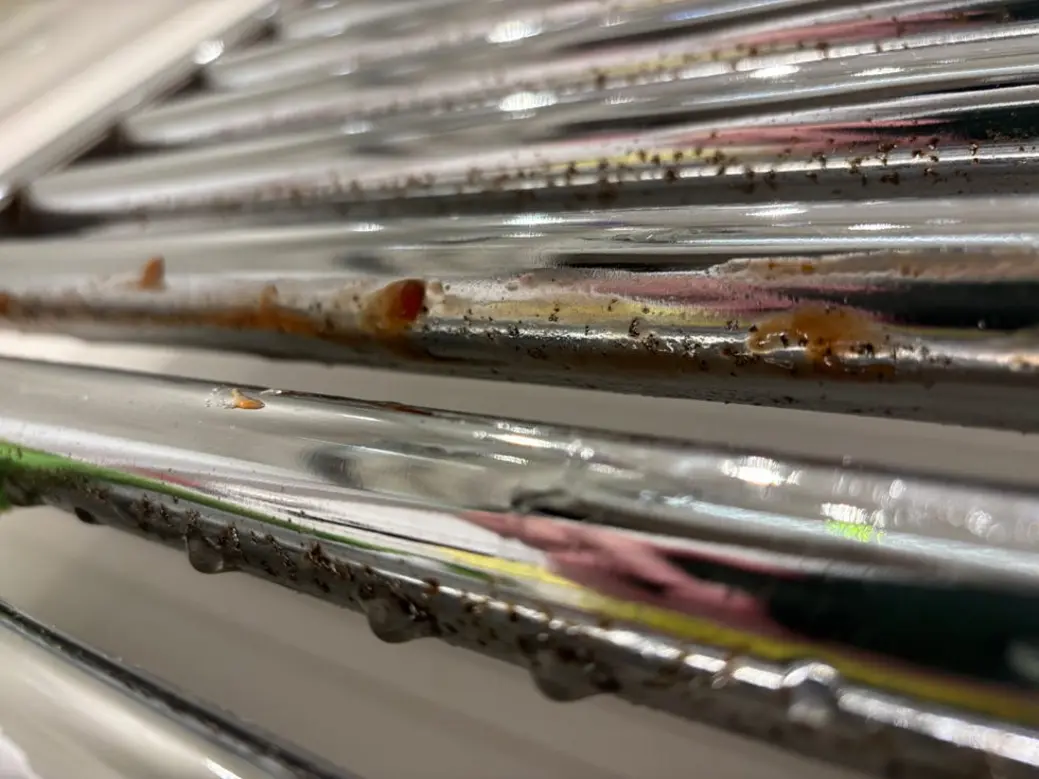
Rust on a bathroom towel rail usually means moisture has reached exposed steel beneath the protective finish. Small scratches, chipped plating, trapped water, damp towels, poor ventilation, and harsh cleaners can all contribute. If the rust is only a light stain on an intact finish, gentle cleaning may remove it. If the rail is bubbling, flaking, deeply pitted, leaking, or repeatedly rusting in the same place, the finish or the metal underneath has probably failed, making replacement more practical.
What causes rust on a bathroom towel rail?
A towel rail is exposed to water and humid air every day. Rust forms when iron or steel comes into contact with both moisture and oxygen. The outer finish is meant to act as a barrier, but that barrier can become less effective over time.
Damaged chrome or paint
Chrome itself is a protective coating rather than the metal that is rusting. A scratch, dent, pit, or worn edge can expose the steel below. Once moisture reaches that area, corrosion can begin underneath the surrounding finish.
On a painted towel rail, rust may start where the paint has chipped or where the coating has lifted. Bubbling is an important clue: it can mean corrosion is developing beneath the finish, not simply that a stain has formed on top.
Water sitting on the rail
Water can collect on the underside of horizontal bars, around joints, near wall brackets, and beneath folded towels. These areas stay wet longer than the more visible parts of the rail. Water splashed from a shower or bath can have the same effect, especially when the rail is installed close to the wet area.
Wet towels also keep the surface damp. A towel draped over several bars may prevent air from reaching the metal and trap moisture against small imperfections in the finish.
Humidity and poor ventilation
A bathroom that stays humid after showers provides the conditions rust needs. This is especially noticeable when the towel rail is cool and warm, moist air condenses on it. Without enough ventilation or drying time, droplets can remain on the rail and run toward seams, brackets, or damaged spots.
Unsuitable cleaning products or tools
Abrasive powders, rough scouring pads, stiff brushes, and overly aggressive cleaners can scratch chrome or painted surfaces. Acidic or chlorine-based products may also damage some finishes if they are too strong, left on too long, or used against the manufacturer’s instructions.
Repeated small scratches may not be obvious at first, but they give moisture a route to the underlying metal. Grit trapped in an old cloth can cause similar damage during cleaning.
Internal corrosion or a leak
If the towel rail is part of a heated water-based system, corrosion may also develop inside the rail. Internal problems can eventually produce dampness, small leaks, or rust around joints. Rust that appears alongside a leak is not just a cosmetic issue and should not be treated as a surface-cleaning problem.
Surface rust or finish failure? How to tell
The appearance and location of the rust can help you decide what to do next.
| Sign | More likely explanation | What to do |
|---|---|---|
| Light orange film that wipes away | Surface rust or residue | Clean gently, rinse if appropriate, and dry thoroughly |
| Rust in one small scratch or pit | Localized finish damage | Remove loose residue and monitor the spot |
| Bubbling, flaking, or peeling chrome or paint | Corrosion beneath the finish | Cleaning may improve the appearance temporarily; replacement may be needed |
| Deep pits, thin areas, or holes | Advanced corrosion | Stop relying on touch-up; arrange replacement or professional assessment |
| Rust around a wet joint or active drip | Possible leak or internal corrosion | Address the leak before cleaning the finish |
| Rust returning quickly after cleaning | Ongoing moisture or failed coating | Find the moisture source or replace the rail |
A clean-looking surface does not necessarily mean the metal is sound. If the finish is lifting around the rust, removing the visible stain will not restore the protective barrier.
How to remove light rust from a towel rail
Use the least aggressive method that suits the finish. Check the manufacturer’s care instructions first, particularly for colored, brushed, painted, or heated rails.
- Turn off the heat if the rail is heated. Let it cool completely before cleaning. Place a towel beneath it if water or cleaner could drip onto the floor.
- Remove towels and loose dirt. Use warm water with a small amount of mild dish soap and a soft microfiber cloth.
- Rinse away cleaner residue. Use a clean, damp cloth rather than soaking the rail, especially around electrical controls, wall connections, and joints.
- Treat the rust cautiously. For chrome, use a rust-removal product approved for chrome or the method recommended by the rail’s manufacturer. Test it on a discreet area first. Do not assume a method that works on chrome is suitable for painted or brushed finishes.
- Wipe gently. Avoid steel wool, abrasive pads, hard scraping, and forceful rubbing. These can remove more of the finish and create new points for corrosion.
- Dry every surface. Pay attention to the undersides of bars, brackets, seams, and areas between the rail and the wall.
Do not leave acidic cleaners sitting on the rail. Even when an acid helps loosen rust, too much contact can dull or damage the surrounding finish. Never mix cleaning products.
Can a rusty towel rail be touched up?
Touch-up paint or a suitable metal coating may disguise a small chip on a painted rail after the area has been cleaned and dried. It is usually a limited repair, not a restoration of the original factory finish.
Chrome is harder to touch up convincingly. A chrome-effect paint may reduce the contrast of a small damaged area, but it will not recreate the same plating or provide a dependable long-term barrier if rust is spreading underneath. Touch-up products should also be compatible with the rail and its operating temperature if the rail is heated.
Do not paint over loose flakes, active rust, dampness, or a suspected leak. The underlying problem needs to be dealt with first.
When should you replace the towel rail?
Replacement is generally the more sensible option when the rail has deep pitting, widespread bubbling, peeling plating, holes, a persistent leak, or rust that returns soon after cleaning. A rail that has become structurally weakened may not be worth preserving for cosmetic reasons.
If the rail is connected to the heating or water system, replacement may involve disconnecting pipework or electrical connections. Use the appropriate qualified help for that work rather than forcing fittings or continuing to use a leaking rail.
How to prevent towel rail rust
- Wipe visible water from the rail with a soft, dry cloth, especially underneath the bars.
- Hang towels loosely enough that air can circulate and the fabric can dry.
- Use the bathroom’s extractor fan during showers and continue ventilating afterward.
- Fix dripping faucets, shower leaks, and wet wall areas that keep the rail damp.
- Clean with mild products and soft cloths instead of abrasive tools.
- Avoid hanging wet clothing or heavily soaked items on the rail for long periods.
- Check brackets, joints, and the underside of the bars occasionally for early rust or bubbling.
- Follow the manufacturer’s instructions for heated rails, including approved cleaners and operating guidance.
The key is to deal with small finish damage before moisture reaches more of the underlying steel. If the rust is only superficial, careful cleaning and better drying may be enough. If the coating is failing or the metal is pitted, prevention habits cannot reverse the damage, and replacing the rail is usually the more dependable solution.
References
- How to remove rust from a chrome towel rail/radiator | Kartell UK. (n.d.). https://kartelluk.com/howtoremoverust
- Foil and ketchup are the secret cleaners that remove rust from towel rails and take just 30 minutes. (n.d.). https://www.goodhousekeeping.com/uk/house-and-home/household-advice/a69273735/rusty-towel-rails
- Understanding Rust and Implementing Preventive Measures. (n.d.). https://elegant-radiators.co.uk/blogs/news/understanding-rust-and-implementing-preventive-measures
- How to Clean Rust from Chrome and Painted Towel Rails – Companyblue LTD. (n.d.). https://companyblue.co.uk/blogs/news/how-to-clean-rust-from-chrome-and-painted-towel-rails
- Cleaning Chrome Fixtures: How to Get Rust Off of Chrome | SERVPRO. (n.d.). https://www.servpro.com/resources/remove-rust-chrome-bathroom-shower-fixtures
- How to Remove Rust from Bathroom Fixtures. (n.d.). https://alliedphs.com/blog/why-are-my-bathroom-fixtures-rusting-and-how-do-i-stop-it
- How to Stop a Bathroom Radiator Rusting: A Guide. (n.d.). https://www.premiercareinbathing.co.uk/blog/lifestyle/how-to-stop-bathroom-radiator-rusting
- Should a chrome towel rail rust in under three years?. (n.d.). https://community.screwfix.com/threads/should-a-chrome-towel-rail-rust-in-under-three-years.89634