Why Is My Shower Curtain Rod Rusting?
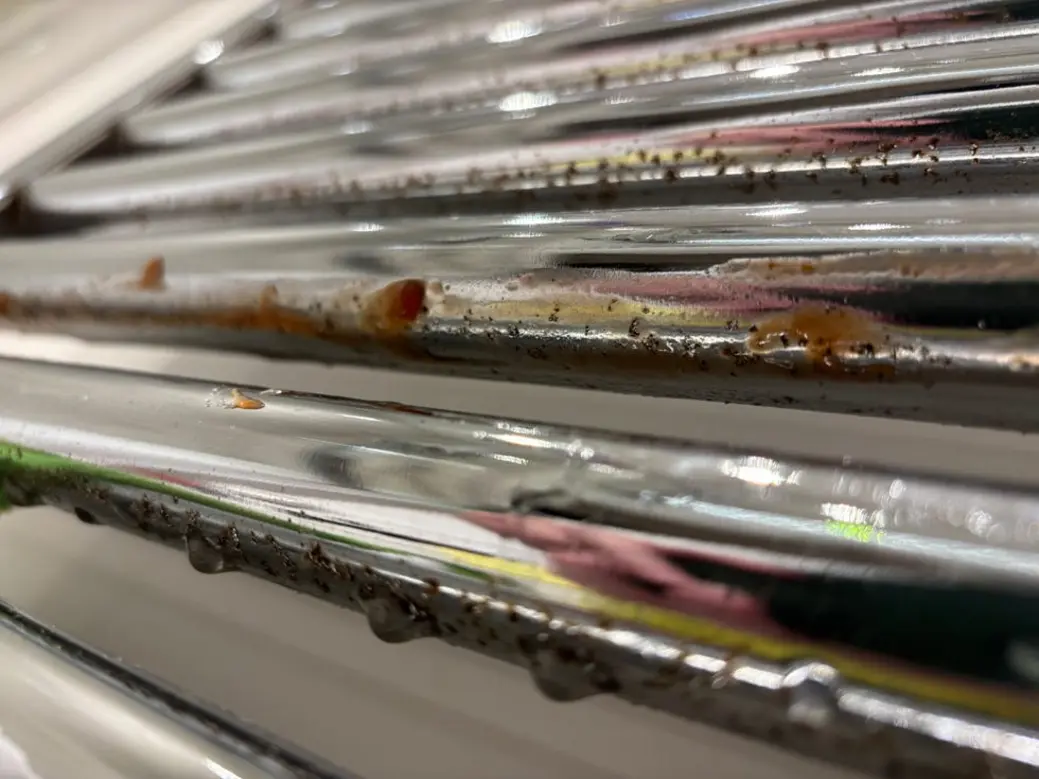
A shower curtain rod usually rusts because moisture reaches steel beneath a worn, scratched, or thin protective finish. Bathrooms provide the two conditions rust needs—water and oxygen—and a rod can stay damp for long periods after showering. Rust often starts at scratches, telescoping seams, end caps, and areas where curtain rings repeatedly rub the finish.
If the orange marks are small and the surface is still smooth, you may be able to clean the rod and slow further corrosion. If the finish is peeling, bubbling, deeply pitted, or shedding flakes onto the curtain, replacement is usually the more practical choice. Cleaning can improve the appearance of a rusty tension shower rod, but it cannot restore plating that has already failed.
What the rust is telling you
Not every orange or brown mark means the same thing. Look closely before choosing a cleaner.
Surface rust
Surface rust appears as light orange dots, streaks, or a thin rough film. It is common on painted, chrome-look, or coated steel rods after the surface has been nicked or worn. This is the best case: the affected area may clean up without affecting how the rod works.
Damaged chrome, paint, or plating
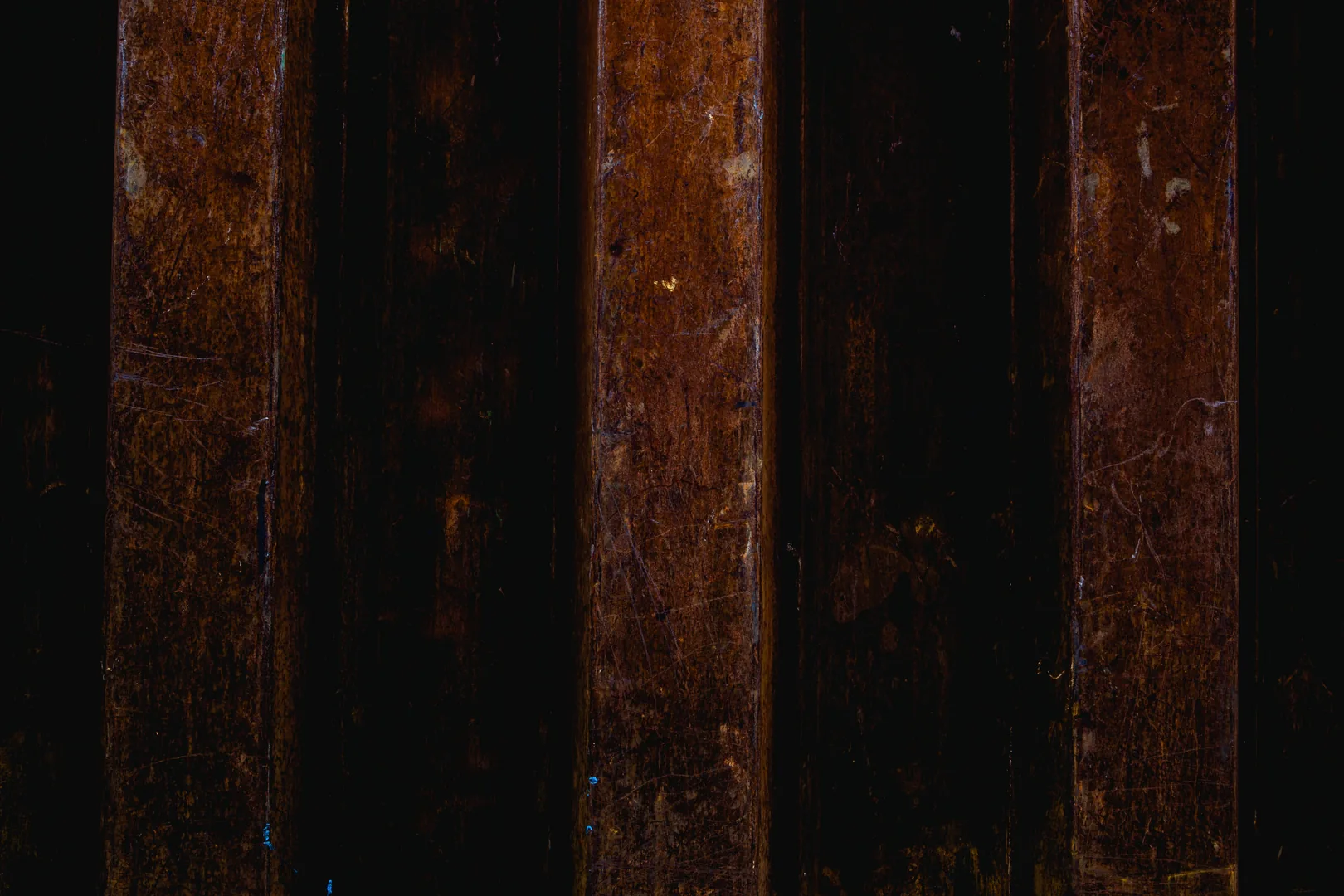
Many shower rods are not solid stainless steel. They may be steel with a chrome-colored coating, paint, or plating. When that outer layer cracks or peels, water can reach the metal underneath. Rust then spreads from below the finish, sometimes causing blisters or sharp flakes.
A rod in this condition may look temporarily better after cleaning, but the corrosion will tend to come back. It can also snag a curtain, stain a liner, or leave orange residue on towels and hands.
Rust at seams and end caps
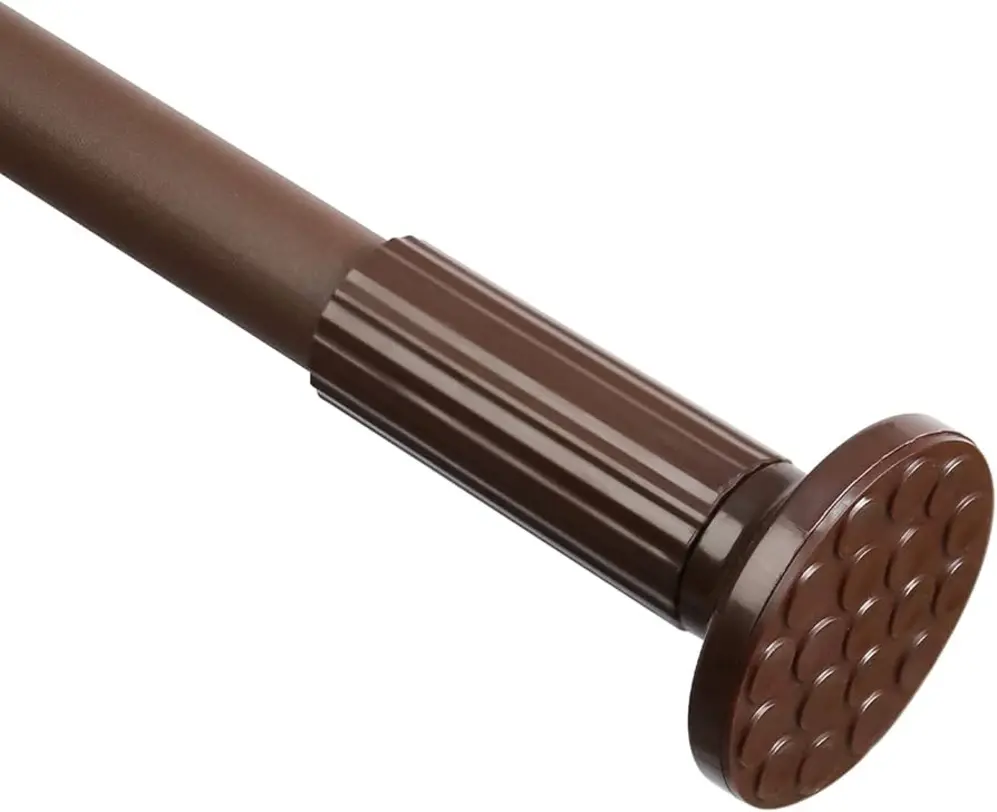
A tension rod has moving sections, internal springs, and end caps. Water can collect at the overlap between telescoping sections or behind a cap pressed against tile. These areas dry slowly and are harder to inspect, so corrosion can become noticeable only after it has advanced.
Source: m.media-amazon
If a rod feels rough near one end, slips unexpectedly, or releases rusty water when removed, inspect the end caps and the telescoping joint. Corrosion inside a tension mechanism is a good reason to replace the rod rather than rely on cleaning alone.
Marks from rusty shower curtain rings
Sometimes the rod is not the original problem. Metal hooks or rings can rust and leave orange streaks where they slide across the rod. Check the inside curve of each ring as well as the rod. Replacing rusty shower curtain rings can prevent a cleaned rod from being scratched and stained again.
Why shower curtain rods rust so quickly
A rod can rust even in a bathroom that appears clean. The most common causes are everyday moisture, finish damage, and cleaning habits.
- Frequent humidity: Steam lingers after a shower, especially in a bathroom with limited ventilation.
- Direct splashing: A curtain that sits outside the tub, a showerhead aimed outward, or a loose liner can send water directly onto the rod.
- Slow drying: The upper wall and rod area may receive less airflow than the tub and tile below.
- Scratches from rings: Metal rings, hooks, and rough clips can wear through a decorative finish over time.
- Trapped moisture: Water caught in telescoping joints, end caps, or wall-contact points may stay there after the visible rod has dried.
- Harsh cleaning products: Abrasive powders, scouring pads, and some strong cleaners can dull or scratch a finish, making it easier for moisture to reach the underlying steel.
- Lower-quality coated steel: A thin or poorly bonded finish may fail earlier in a humid bathroom.
Stainless steel can resist corrosion better than ordinary steel, but it is not automatically immune to staining or rust-like spots. Its performance depends on the material quality, surface condition, moisture exposure, and whether residue is allowed to sit on it.
How to remove rust from a shower curtain rod
Start with the mildest method that fits the rod’s condition. The goal is to remove loose surface rust without scratching away more of the protective finish.
1. Take down the curtain and inspect the rod
Remove the curtain, liner, hooks, and rings. This makes it easier to see all sides of the rod and prevents cleaner or rust residue from getting onto fabric.
If the rod is tension-mounted, remove it carefully and support both ends. Do not force a seized telescoping section; twisting aggressively can damage the mechanism or chip more finish.
2. Wash off soap film first
Use warm water, a small amount of mild dish soap, and a soft microfiber cloth. Soap residue can hide rust spots and make the rod look more damaged than it is.
Dry the rod completely with a clean towel. Inspect it again under good light. If the orange mark wipes away and the surface beneath is intact, the issue may be residue from rusty rings rather than corrosion in the rod itself.
3. Treat small, exposed rust spots gently
For a small area of surface rust on an intact metal finish, use a soft cloth with a mild rust-removal product that is labeled for the rod’s material and finish. Follow the product instructions closely, especially contact time and rinsing directions.
For a cautious household option, make a thick paste of baking soda and water. Apply it only to the rusted spot, let it sit briefly, then rub very lightly with a soft cloth. Rinse and dry thoroughly. This may help with light surface discoloration, but it will not repair missing plating.
Avoid steel wool, wire brushes, sandpaper, and rough scouring pads on chrome-look, painted, or plated rods. They can remove the remaining finish and create fresh places for rust to begin.
4. Rinse and dry immediately
Any cleaner left on the rod can leave residue or affect its finish. Wipe with a clean damp cloth, then dry the rod fully, including the underside, end caps, and telescoping seam.
5. Check the curtain rings before reinstalling
Run your fingers carefully along the rings and hooks. Replace any that feel rough, flake, or leave orange dust. Smooth plastic hooks, coated metal rings, or rust-resistant rings are less likely to scratch a rod than already-corroded bare metal hardware.
When a rusty tension shower rod should be replaced
Replacement is generally more sensible than repeated cleaning when you see any of the following:
- Peeling, bubbling, or flaking finish
- Deep pits, rough craters, or sharp rusted edges
- Rust concentrated inside telescoping joints or around end caps
- A tension rod that no longer grips the walls reliably
- Orange residue transferring to the curtain, liner, or hands after cleaning
- A rod that bends, sticks, or no longer extends and retracts smoothly
A corroded rod can eventually weaken or slip. Even if it still holds today, a failing finish tends to keep deteriorating in a wet environment. Replacing it before it stains a new curtain or drops unexpectedly is often the simpler option.
How to prevent shower curtain rod rust
Prevention is mostly about reducing the time water sits on the rod and avoiding new damage to its finish.
Improve drying after showers
Turn on the exhaust fan during the shower and leave it running afterward if your bathroom has one. If there is a window, opening it when weather allows can also help moisture leave the room.
After showering, pull the curtain mostly closed so the liner can dry instead of folding into a damp bundle. If the rod was splashed directly, wipe it with a towel or dry cloth. Pay extra attention to the ends and the point where sections overlap.
Keep the liner inside the tub
Make sure the liner hangs inside the tub or shower base while in use. A liner that drapes outside can direct water onto the exterior of the tub, floor, curtain, and rod area.
If water regularly hits the rod, adjust the showerhead angle or replace a liner that has become too short, curled, or difficult to keep in place.
Clean without scratching
For routine cleaning, a damp microfiber cloth and mild soapy water are usually enough. Dry afterward instead of allowing cleaner, water, or mineral residue to air-dry on the rod.
Do not use abrasive pads to remove water spots from a coated rod. A slightly dull water mark is easier to live with than a scratched finish that will rust repeatedly.
Choose replacement hardware carefully
When replacing a rod, look beyond the color name. “Chrome” often describes an appearance rather than the underlying material. A rod with a durable corrosion-resistant construction and a smooth, intact finish is generally a better fit for a humid bathroom than a thin decorative coating over ordinary steel.
Also consider the rings. Plastic, nylon, or well-coated rings can reduce metal-on-metal rubbing. If you prefer metal rings, inspect them periodically and replace them at the first sign of rust.
A simple maintenance routine
You do not need to polish the rod weekly. A small routine can make a meaningful difference:
- Wipe visible splashes from the rod after especially steamy showers.
- Keep the liner positioned to drain and dry inside the tub.
- Run ventilation long enough for the room to feel less humid.
- Clean the rod gently when you clean the curtain and liner.
- Check rings, hooks, end caps, and the tension-rod seam every few months.
A few isolated spots on an otherwise smooth rod are usually manageable. But when rust comes back quickly, the finish is failing, or a rusty tension shower rod no longer operates reliably, replacement is the cleaner long-term fix.
References
- How to Get Rid of Rust on Shower Curtain Rod - Best Osmosis Experts. (n.d.). https://www.bestosmosisexperts.com/get-rid-of-rust-on-shower-curtain-rod
- Stainless Steel Bathroom Rod after six months of use. (n.d.). https://www.reddit.com/r/mildlyinfuriating/comments/17ezw45/stainless_steel_bathroom_rod_after_six_months_of
- r/CleaningTips - RUST on shower bar! How to remove?!. (n.d.). https://www.reddit.com/r/CleaningTips/comments/6ykukp/rust_on_shower_bar_how_to_remove
- How To Remove Rust From A Shower Curtain Rod | Storables. (n.d.). https://storables.com/furniture-and-design/bathroom-accessories/how-to-remove-rust-from-a-shower-curtain-rod
- Removing rust from shower curtain rod. (n.d.). https://www.youtube.com/watch?v=VCOd8fejIJ8
- How to get the rust off your chrome shower rod. #householdtips …. (n.d.). https://www.tiktok.com/@msmarmitelover/video/7358238610061102369?lang=en
- How do I get a shower curtain rod that will last?. (n.d.). https://ask.metafilter.com/293814/How-do-I-get-a-shower-curtain-rod-that-will-last
- How To Rust Proof Your Shower. (n.d.). https://wd40.co.uk/how-to/rust-proof-your-shower